Latest
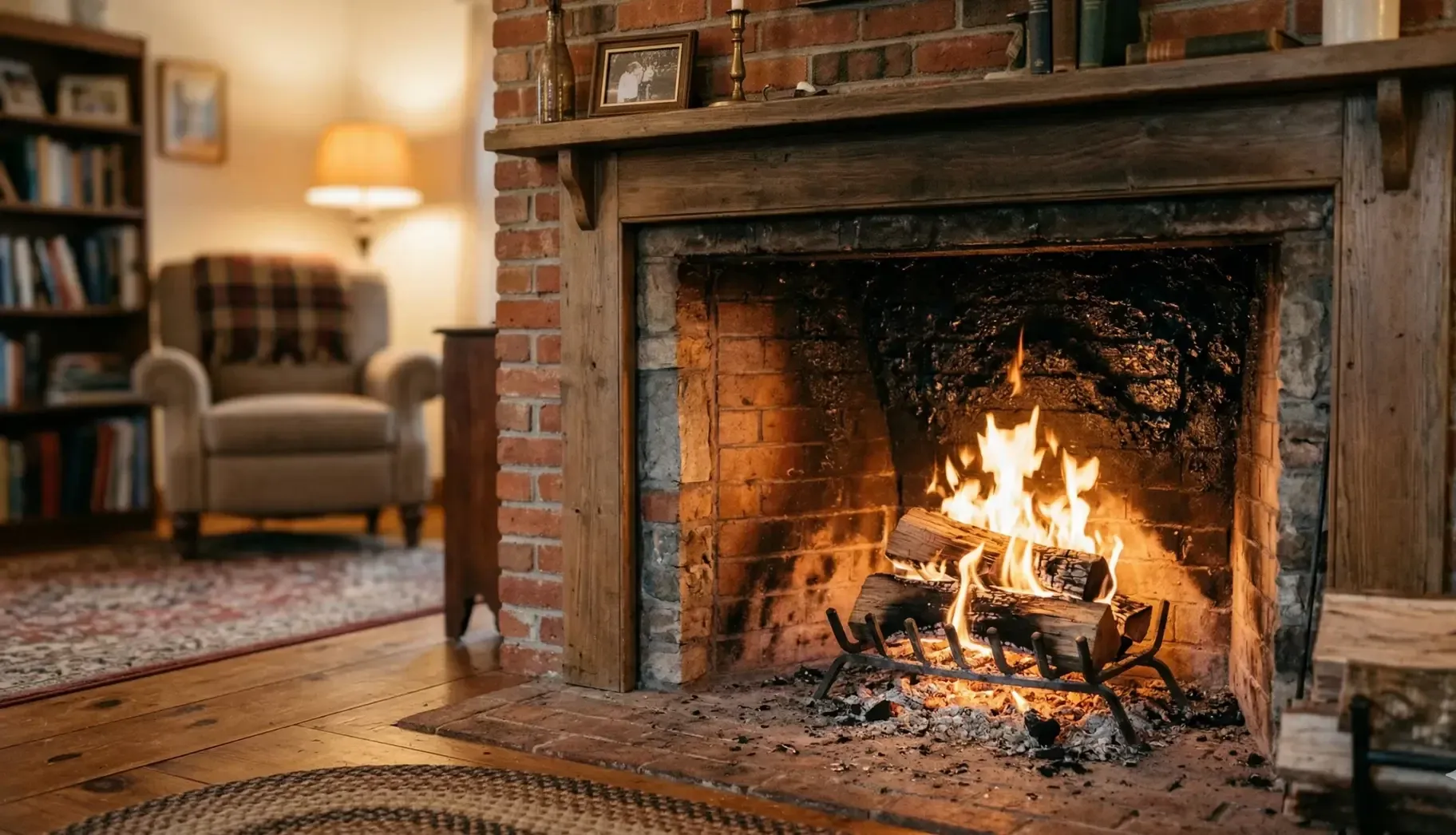
What Is Creosote and Why Is It Dangerous?
It starts as a light dusting you could wipe away and ends as a glazed, tar-like coating that has to be removed with specialist tools. Both are flammable.
Read the postApril 11, 2026 · 9 min read
★ 4.9Google·Licensed FL contractor #CSC1110338
25 articles
Straight answers about air duct cleaning, dryer vents and chimneys in Central Florida — what the work involves, what it costs, and when it is genuinely needed.
Latest
It starts as a light dusting you could wipe away and ends as a glazed, tar-like coating that has to be removed with specialist tools. Both are flammable.
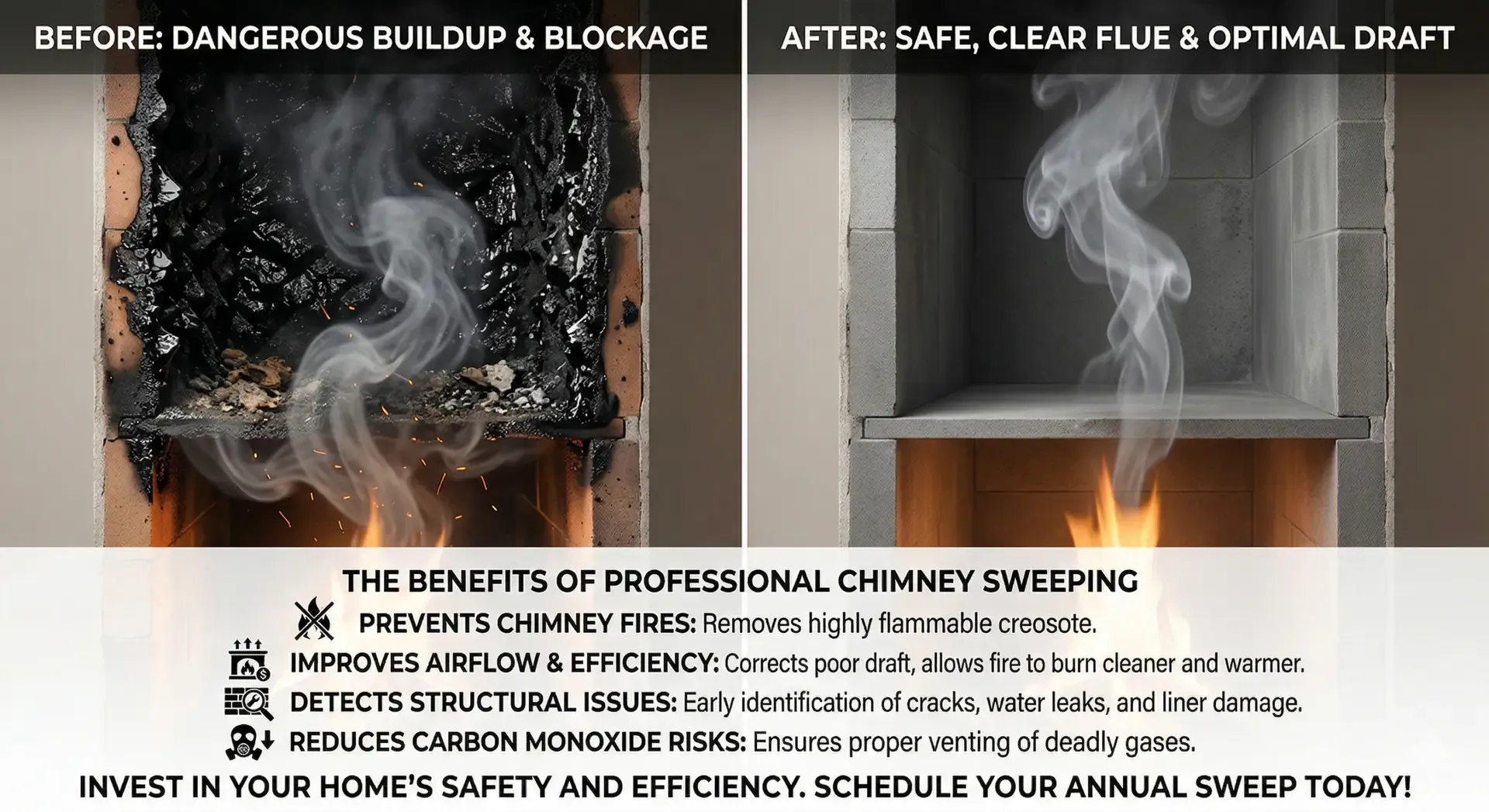
The cleaning is the visible part. The inspection that comes with it is usually the part that saves you money.
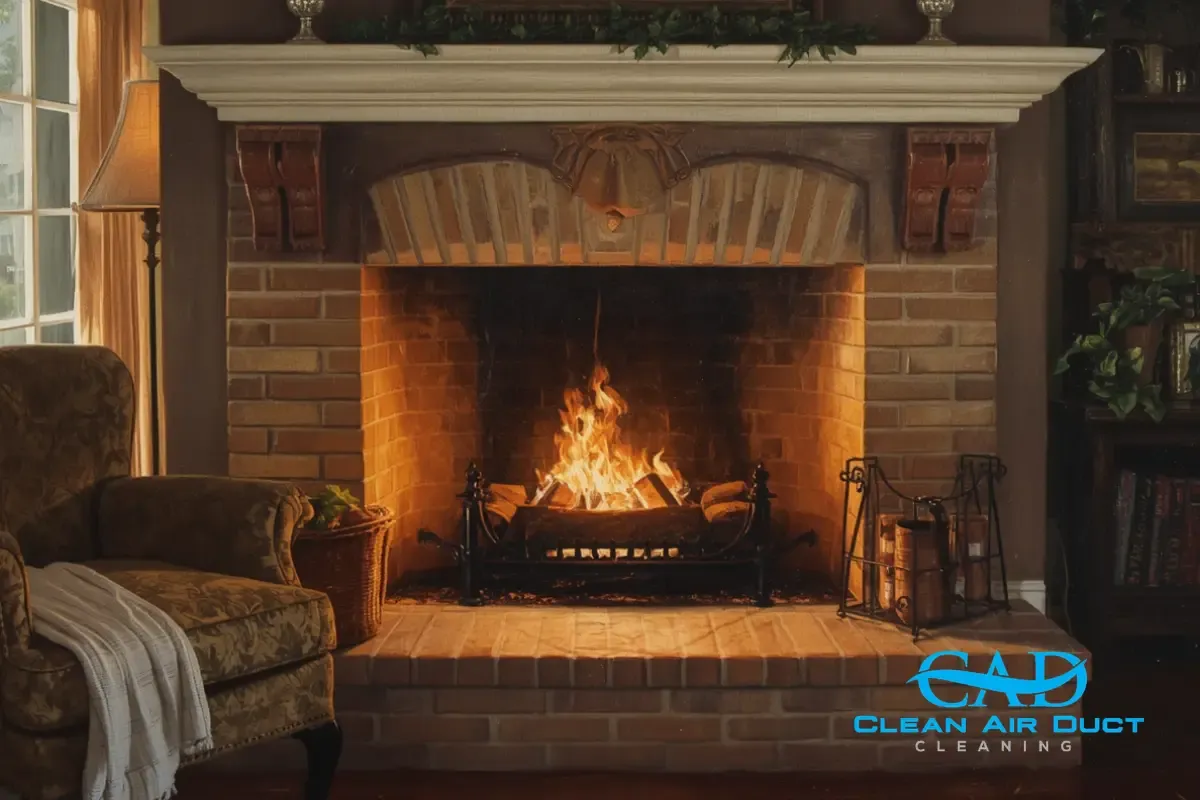
The fireplace gets lit six times a year, so people assume the chimney looks after itself. In this climate, the opposite is true.
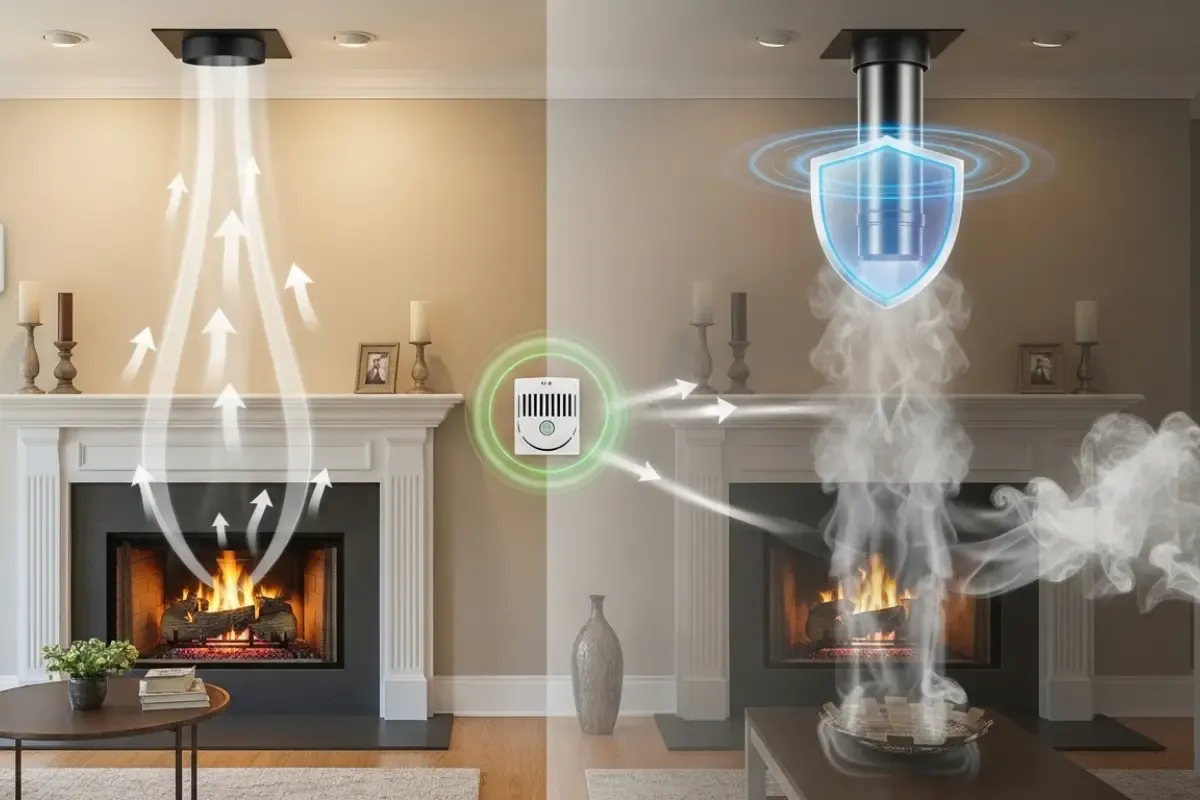
The gas has no smell, no colour and no warning. A clear flue is the single most effective thing standing between it and your living room.

Fireplaces get used less here, which is exactly why Florida flues are so often overlooked — and why the problems in them go unnoticed for years.
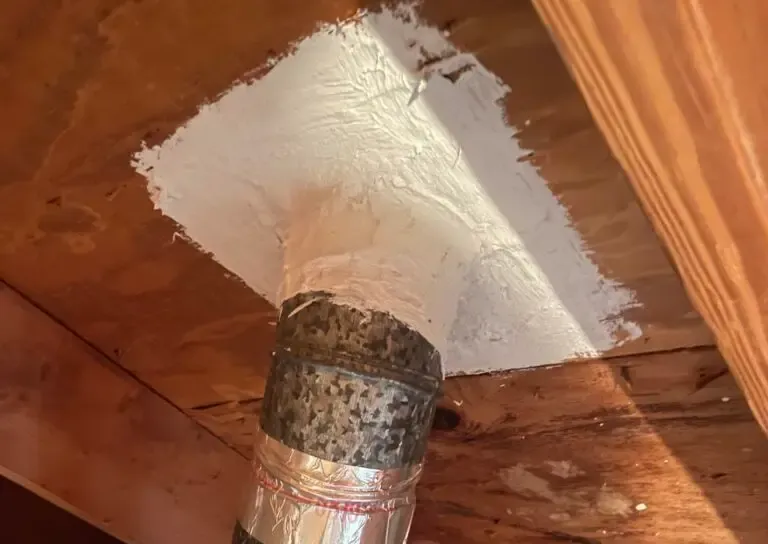
An inspection report is the cheapest early warning most homeowners ever get. The duct notes in it are the ones people skim past.
Indoor air is routinely dirtier than the air outside. Most of the fix is habit and humidity — but the ductwork is the part people never look at.
The lint trap gets all the attention. What actually kills dryers is the vent behind them, and the damage happens slowly enough that nobody notices.
The number on the filter box measures how much it traps. Going higher than your system was designed for can quietly starve it of airflow.
Five things worth doing before the boxes are unpacked. Four of them take an afternoon; the fifth is the one everyone forgets.

The licensing picture is less clear-cut than most homeowners assume. What matters is knowing exactly what to ask for and how to check it.
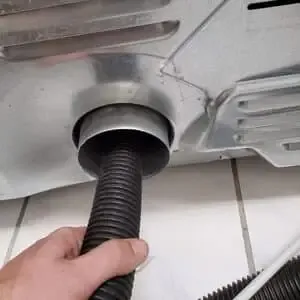
Of all the maintenance people put off, this is the one with a fire risk attached. It is also the cheapest and quickest to deal with.
A short ground-floor run and a roof-terminated second-floor run are very different jobs, and the price reflects the access rather than the cleaning.
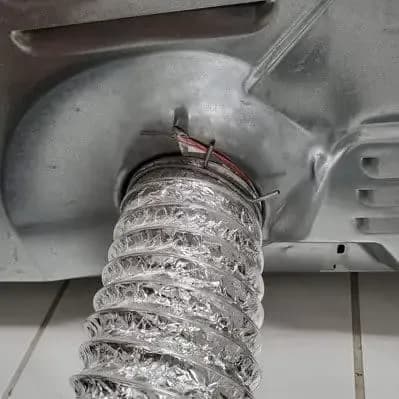
Brush the whole run, work from both directions, collect the debris rather than blowing it, and confirm the airflow at the hood. That is the whole method.
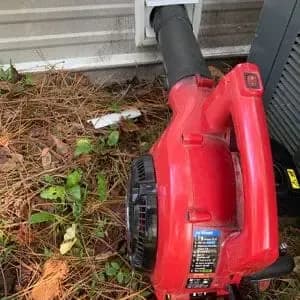
It is all over the internet and it occasionally works. It also compacts lint into a solid plug, blows joints apart and leaves you worse off than before.
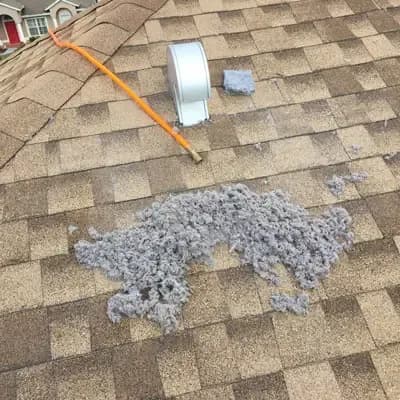
A proper job cleans the whole run from both ends and verifies the airflow at the hood. Anything less just moves the blockage further along.
Worth it for some houses, a waste of money for others. The deciding factor is what is actually inside your ducts — not how long it has been.
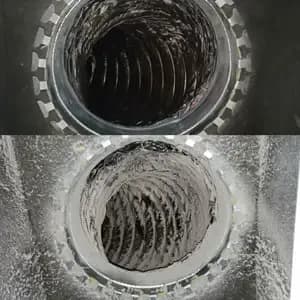
Two quotes for the same house can differ threefold. Almost always the gap is the method, not the margin.
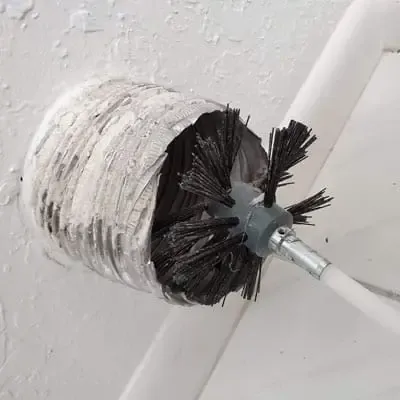
The method is what separates a real clean from a quick vacuum at the grille. Here is the sequence a proper job actually follows.
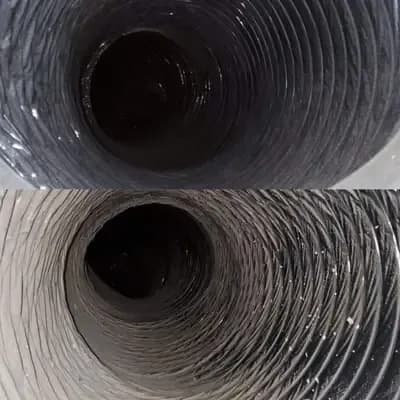
It works when it is done properly and when the system needs it. Both halves of that sentence matter, and plenty of companies ignore the second one.
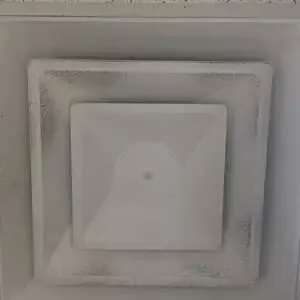
Price follows the size of the system, not the size of the house — and the cheapest quote on the page is usually cheap for a reason.
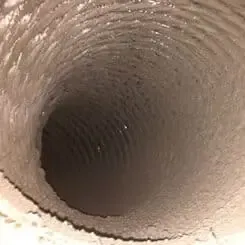
You can do the grilles and the first foot of each run. Past that, the equipment gap is the whole story — and the failure mode is expensive.
Every three to five years covers most Central Florida homes — but several ordinary events reset that clock much sooner.
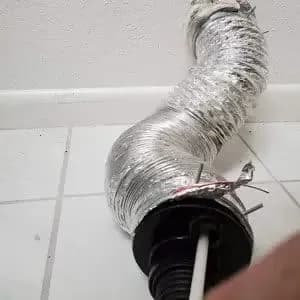
Once a year is the baseline. Household size, duct length and what you are drying all pull that interval shorter.
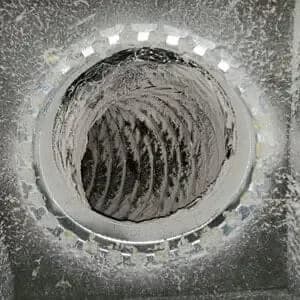
Most Central Florida homes are finished in a single visit — but the size of the system, the number of returns and how long it has been since the last clean all change the answer.
Looking for a service rather than an article? See everything we do or check the prices.