CAD Blog
What Is Meant By MERV Rating?
March 11, 20244 min read
The number on the filter box measures how much it traps. Going higher than your system was designed for can quietly starve it of airflow.
Every air filter sold carries a MERV rating, and most people either ignore it or assume the biggest number wins. Neither is right, and on a Florida air handler the wrong choice can cost you airflow you cannot spare.
MERV Rating is one of the most significant considerations when you are selecting air filters. You should know what it means, how it impacts your indoor air quality and affects the performance of your HVAC system. So let’s explore.
What Is Meant By MERV?
MERV stands for ‘Minimum Efficiency Reporting Value.’ It tells about the effectiveness of the air filter. This rating ranges from one to sixteen. A higher MERV rating means that your air filter is better at capturing airborne particulates from your indoor air.
How It Affects the Quality of Your Indoor Air
Several airborne particulates are present in your indoor air, such as pollen, bacteria, smoke, dust mites, spores, pet dander, and many others. A quality air filter helps in removing most of these air contaminants. The air filters with a rating between seven and twelve are capable of removing most air pollutants from your inside air. On the other hand, the filters with thirteen and above ratings are generally used within medical facilities for cleaner air.
How MERV Rating Impacts the Performance of Your HVAC System
While selecting the air filter, it is significant to consider how it impacts your HVAC system’s performance. All kinds of heating and cooling systems require continuous airflow to operate smoothly and efficiently. A good quality air filter allows clean air to pass through the system.
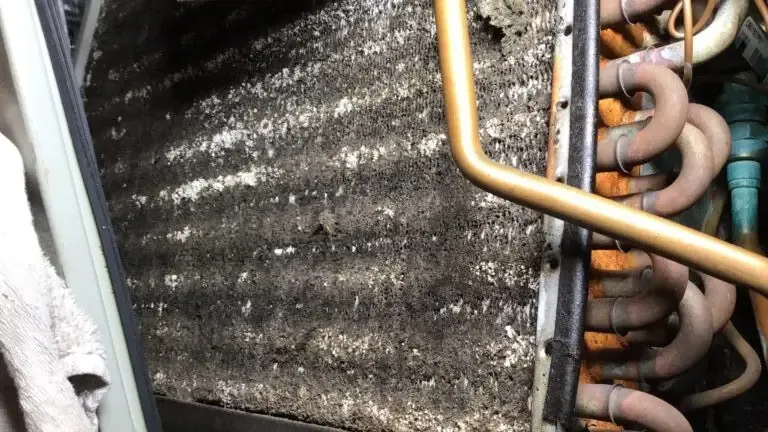
The air filters with higher MERV rating have very fine pores from which air passes. They trap the tiny microscopic particulates, such as dust particles and other contaminants and clean air. However, the use of air filters, having a higher MERV rating can create a problem in your HVAC system. It has tiny pores that filter even the smallest particles from the air. This can create resistance in airflow. However, there are some situations in which the ability of extra filtering and reduction in HVAC efficiency is acceptable; for example, if you suffer from severe allergy.
The conventional residential heating and cooling systems are not designed to deal with high resistance levels. This can place excessive pressure on the blower fan of your HVAC system resulting in lowering its efficiency and performance. Continuous resistance can entirely clog your system, hindering airflow and eventually leading to system failure.
When choosing an air filter, you need to see whether the MERV rating is suitable for your HVAC system or not. It is better to check with the expert to determine the MERV rating that best suits your exact requirements.
Bottom Line
Before selecting an air filter with the right MERV rating, you need to ensure that it allows enough airflow through your HVAC system while improving the quality of your indoor air. You need to understand your system’s specifications and seek professional guidance in selecting the most suitable air filter that should not hinder airflow and enhance your indoor air quality.
Picking a MERV rating that suits your system
For most Central Florida homes, a filter between MERV 8 and MERV 11 is the sweet spot: fine enough to catch pollen, dust and pet dander, open enough that the blower is not fighting for air. MERV 13 and above belongs in medical settings or in systems specifically engineered for it. Fitting one to a standard residential air handler is the most common way we see people accidentally reduce their own airflow.
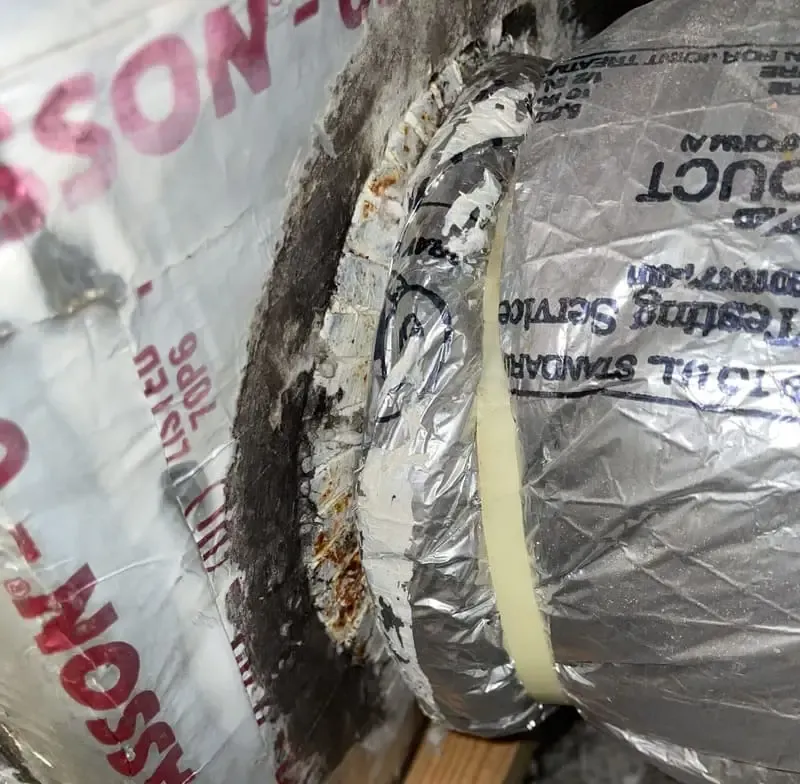
It is also worth being clear about what a filter can and cannot do. A filter protects the equipment and catches what is moving through the return; it does nothing about what has already settled inside the duct run. If your filters are loading up faster than they should, the ducts behind them are usually the reason, which is what air duct cleaning and a proper HVAC clean are for.
Not sure what your system will tolerate? Ask us when we are out. We check static pressure as part of the job and can tell you what your equipment is comfortable with — get in touch for a free estimate.
Questions we get asked about this
Answered by the crew who do the work.
What does MERV actually stand for?
Minimum Efficiency Reporting Value. It is a 1–16 scale describing how much of the airborne particulate passing through a filter gets trapped, tested across several particle sizes.
Is a higher MERV rating always better?
No. A higher rating means finer pores and more resistance. Push past what your blower was designed for and you lose airflow, strain the fan and can freeze the coil — all while filtering air that is moving more slowly.
What MERV rating should I use in a Florida home?
MERV 8 to 11 suits almost every residential system here. If someone in the house has severe allergies, 11 to 13 can be worth the trade-off, but check the equipment specification first.
How often should I change the filter?
Every 60 to 90 days for a standard one-inch filter, and monthly if you have pets or run the system hard through summer. A filter left in past its life stops filtering and starts restricting.
Will a better filter mean I never need the ducts cleaned?
It helps, but no. Filters sit at the return and only catch what reaches them. Anything already in the supply runs, or drawn in through leaks downstream of the filter, stays there until the ducts are cleaned.
Want this looked at rather than read about?
Free estimates across six Central Florida counties, and a written price before any work starts.
More from the CAD blog
What Is Creosote and Why Is It Dangerous?
It starts as a light dusting you could wipe away and ends as a glazed, tar-like coating that has to be removed with specialist tools. Both are flammable.
Benefits of Professional Chimney Sweeping: Why It Matters for Your Home
The cleaning is the visible part. The inspection that comes with it is usually the part that saves you money.
Why Florida Homeowners Still Need Chimney Cleaning
The fireplace gets lit six times a year, so people assume the chimney looks after itself. In this climate, the opposite is true.