CAD Blog
How to Improve Your Indoor Air Quality in 2020
March 11, 20244 min read
Indoor air is routinely dirtier than the air outside. Most of the fix is habit and humidity — but the ductwork is the part people never look at.
You cannot see most of what you breathe indoors, which is why it is so easy to assume it is fine. In a humid climate it usually is not, and the good news is that the steps that improve your indoor air quality the most are ordinary ones you can start this week.
You might not consider the quality of air inside your home polluted, but it is. More importantly, it affects your health and well-being. When your indoor air quality is low, you experience various symptoms like coughing, sneezing, breathing problems, watery eyes, and allergy. Here are some tips to help you improve your indoor air quality and breathe cleaner air.
Vacuum at Least Once in a Week
Rugs and carpets in your house gather allergens and pollutants. So you must vacuum high traffic spaces in your home at least once a week. It is better that you use HEPA filter vacuum, which eliminates even the microscopic particles.
Always Take Off Shoes before Entering the House
When you and others enter the house without taking off shoes, mud and other debris attached to the shoe soles invade your space. This affects the indoor air quality of your home. So, ask your family members and request guests to take off their shoes at the entrance.
Exercise Humidity Control
Damp spaces are breeding grounds for mildew and molds. They spread airborne viruses. On the other hand, dry air causes drying out of wood furniture and paint, and form cracks in wood floors. You should maintain an ideal level of humidity, which is between 40% – 50%. You can use a hygrometer to check humidity levels inside your space. This enables you to determine whether you need a dehumidifier or a humidifier.
Use Paints with Zero VOC
In conventional paints, there are high levels of volatile organic compounds. They release harmful gases long after their application. So, whenever you need to paint your space, select no-VOC or low VOC paints.
Carefully Select Your Furniture
Furniture often uses varnishes and lacquer, which may release hazardous gases. Keep the newly bought sofas, tables and other items outdoor or in a garage for a few days, then bring them inside.
Don’t Use Fragrant Cleaners, Laundry Products and Air Fresheners
Fragrant products like cleaners, laundry products and air fresheners have various VOCs categorized as toxic by federal authorities. It is better to select fragrance-free products.
Choose Rugs and Carpets with Green Label
If you wish to have carpets or rugs in your space, always select green label ones. The Carpet and Rug Institute has developed a Green Label program that ensures products meet the stringent criteria, which helps to reduce the impact of carpets and rugs on indoor air quality.
Open Windows of Your House
Merely opening your patio door and windows of your house allow the circulation of fresh air through your space. This significantly improves the indoor air quality while boosting your mood.
Get Your Air Ducts Cleaned Regularly
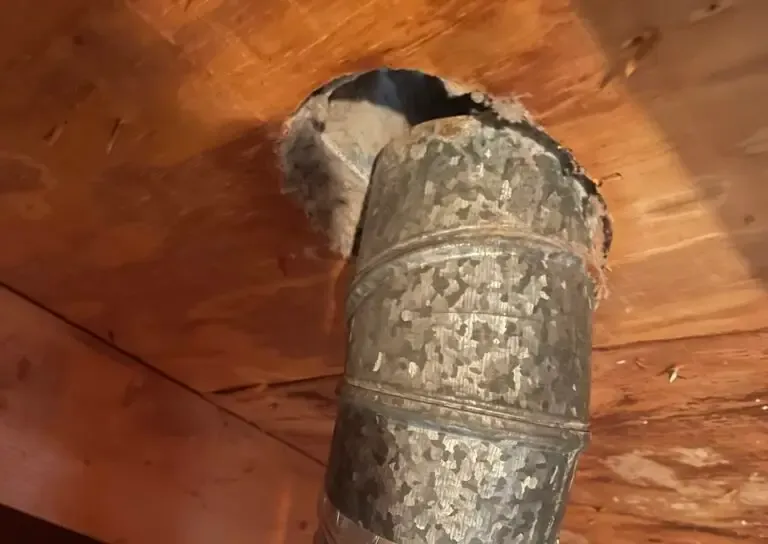
One of the biggest culprits that pollute your indoor air is your HVAC air ducts. The heating and cooling system works almost 24/7, circulating air throughout your house. Over time, dust particles, debris and other contaminants accumulate in it. This has a severe impact on your indoor air quality. Get your air ducts regularly cleaned by professional cleaning services to ensure high-quality indoor air and stay healthy.
The one step people skip when they improve your indoor air quality
Everything above helps at the surface. What almost nobody checks is the path the air actually takes to get to them. Every cubic foot of conditioned air in your house passes through the duct system several times an hour, and in Central Florida those runs sit in an unconditioned attic where humidity and dust do their work year-round.
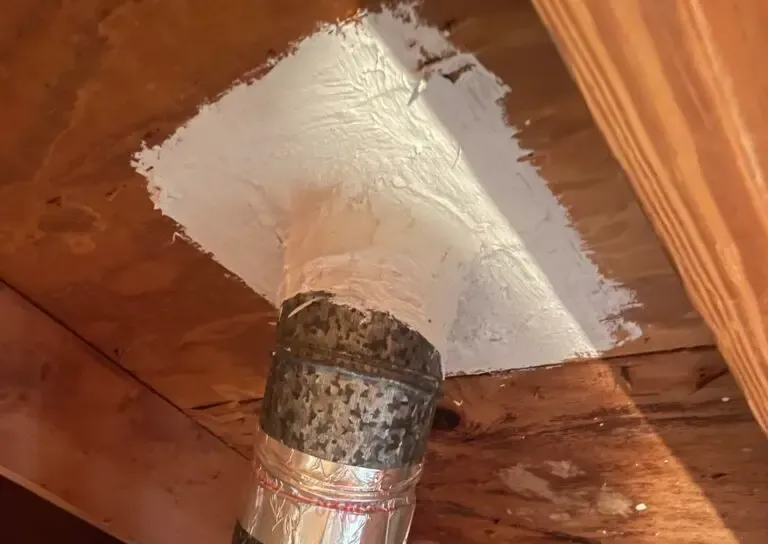
If the inside of a supply run is coated, that coating is in the airstream. Cleaning it is not a cosmetic job — it is the difference between filtering the air and recirculating what has settled. Our residential duct cleaning uses source removal so the debris leaves the building rather than being stirred up, and sealing the leaks afterwards stops attic air being pulled back in.
Damp, musty smells when the system kicks on are the clearest signal that it is time. Book a free estimate and we will tell you honestly whether your system needs the work or not.
Questions we get asked about this
Answered by the crew who do the work.
Is indoor air really worse than outdoor air?
Often, yes. Indoor air holds cooking residue, cleaning products, dander, dust mites and whatever the HVAC system recirculates, in a sealed envelope with limited fresh-air exchange. In a Florida summer, when windows stay shut for months, that adds up.
What humidity level should I aim for?
Between 40 and 50 percent. Above 60 percent you are giving mould and dust mites what they need; below 30 percent you get dry sinuses and static. A cheap hygrometer will tell you where you are.
Do air purifiers make a real difference?
A properly sized HEPA unit helps in the room it is in. It does not treat the rest of the house, and it cannot do anything about contamination inside the duct system, so treat it as a supplement rather than a solution.
How do I know if my ducts are affecting the air quality?
Dust settling again within a day of cleaning, a musty smell for the first minute after the system starts, uneven room-to-room airflow, or allergy symptoms that ease when you leave the house. Any of those is worth an inspection.
How often should this all be reviewed?
Filters every one to three months, humidity checked seasonally, and the duct system inspected every three to five years — sooner after a renovation, a roof leak, or if you have taken on pets.
Want this looked at rather than read about?
Free estimates across six Central Florida counties, and a written price before any work starts.
More from the CAD blog
What Is Creosote and Why Is It Dangerous?
It starts as a light dusting you could wipe away and ends as a glazed, tar-like coating that has to be removed with specialist tools. Both are flammable.
Benefits of Professional Chimney Sweeping: Why It Matters for Your Home
The cleaning is the visible part. The inspection that comes with it is usually the part that saves you money.
Why Florida Homeowners Still Need Chimney Cleaning
The fireplace gets lit six times a year, so people assume the chimney looks after itself. In this climate, the opposite is true.