CAD Blog
What Is Creosote and Why Is It Dangerous?
April 11, 20269 min read
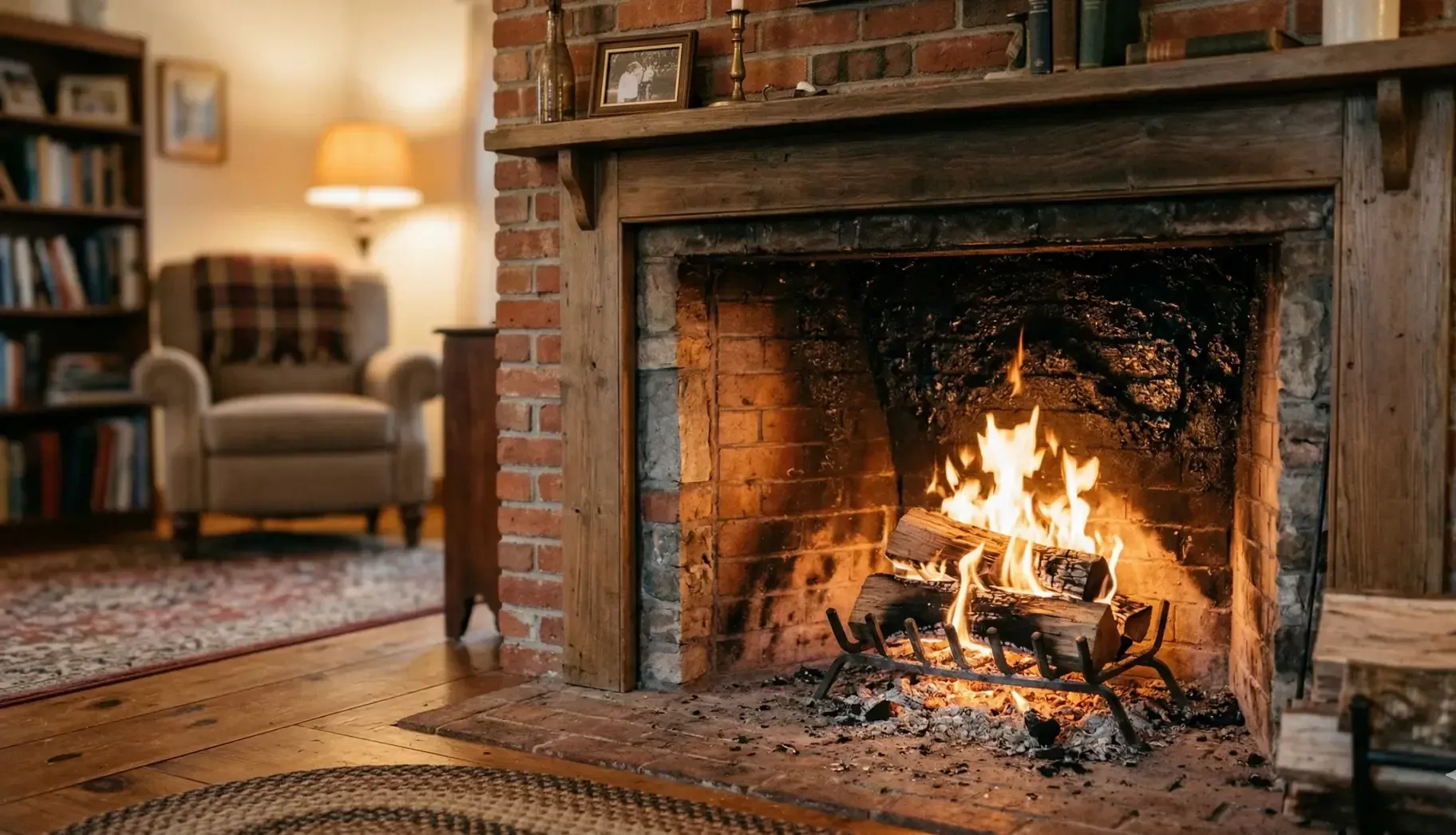
It starts as a light dusting you could wipe away and ends as a glazed, tar-like coating that has to be removed with specialist tools. Both are flammable.
If you only learn one thing about your fireplace, this is the one worth knowing. Creosote is the residue left behind when wood does not burn completely, it builds up inside the flue every time you light a fire, and it is the fuel behind the great majority of chimney fires.
If you’ve ever lit a wood fire in your fireplace and thought, “Someone should probably check that chimney at some point,” — you’re already ahead of a lot of homeowners. The problem most people don’t know about isn’t the smoke you can see. It’s the stuff you can’t: a sticky, flammable residue called creosote that slowly coats the inside of your flue every single time you use your fireplace.
Here in Florida, chimneys don’t get used every day like they do up north. But that doesn’t make them immune. In fact, limited seasonal use combined with humidity can actually accelerate certain types of creosote buildup. So whether your fireplace gets fired up three months a year or just a handful of times, this is worth understanding.
So What Exactly Is Creosote?
When wood burns, it doesn’t burn perfectly. Unburned particles — wood tars, moisture, chemicals from the wood — travel upward with the smoke. As that hot air hits the cooler walls of your chimney flue, those particles condense and stick to the surface. That sticky residue is creosote.
Over time and repeated use, creosote builds up in layers. It starts as something light and flaky, but if left uncleaned, it can harden into a glossy, tar-like coating that’s nearly impossible to remove without professional equipment. And at any stage, it’s flammable.
According to the Chimney Safety Institute of America, creosote is one of the primary causes of chimney fires in the United States. A chimney fire can reach temperatures exceeding 2,000°F — hot enough to crack your flue liner, damage your home’s structure, and in worst cases, spread to the rest of the house.
The Three Stages of Creosote Buildup
Not all creosote is created equal. Professionals like the CSIA-certified technicians at CAD Duct Cleaning assess creosote by its degree — and that degree determines how it’s removed.
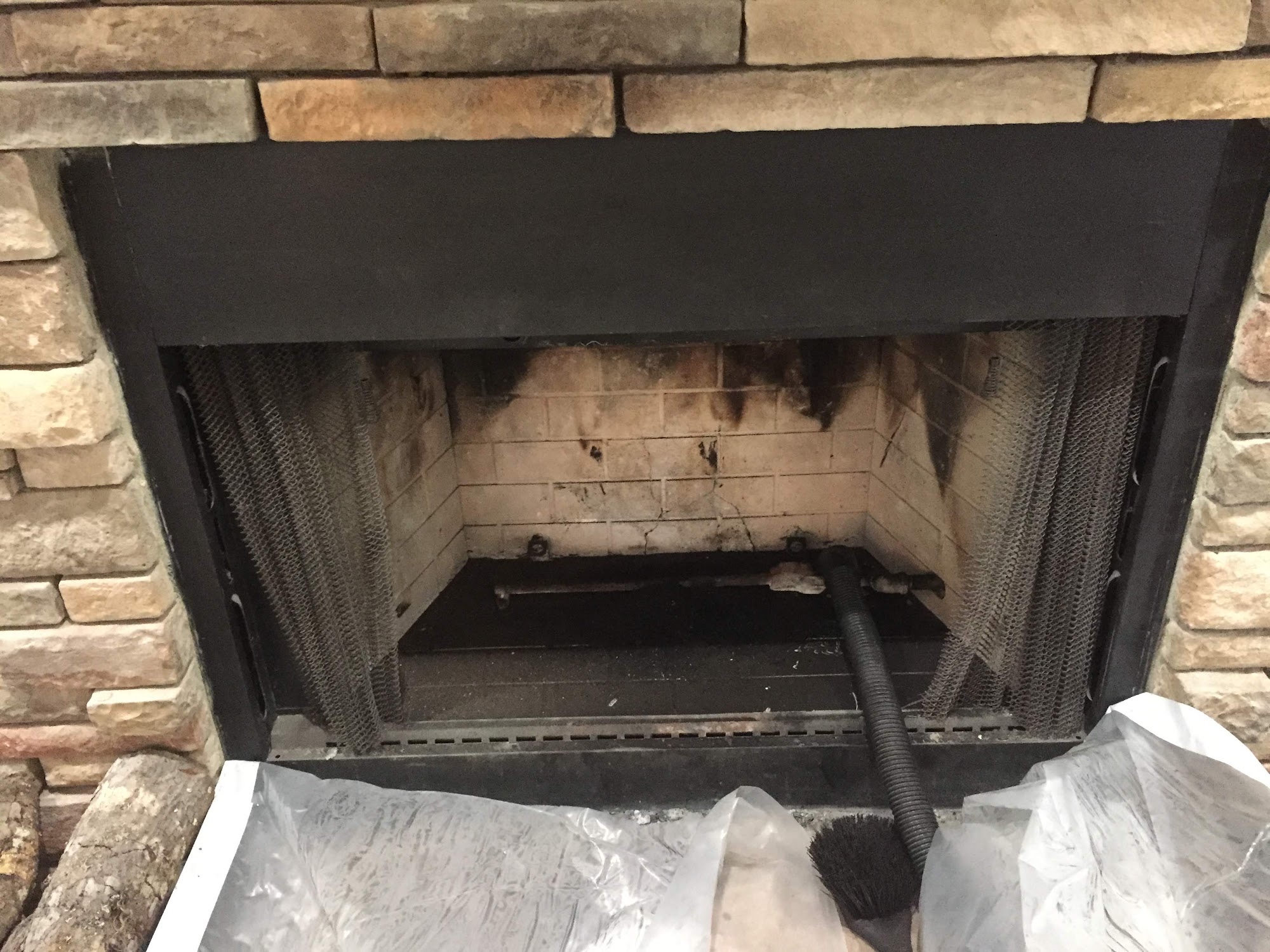
First Degree (Stage 1) — Flaky and Loose This is the earliest form of creosote. It looks like light soot or ash deposits on the flue walls. At this stage, it’s fairly easy to brush away. A standard chimney sweep during your annual cleaning handles this without issue. This is exactly why annual inspections matter — catching creosote before it progresses is the whole point.
Second Degree (Stage 2) — Shiny and Hard If Stage 1 is left untreated, the deposits harden over time into a shiny, tar-like coating. This is trickier to remove and typically requires rotary loop tools and more aggressive cleaning techniques. Stage 2 creosote is significantly more flammable than Stage 1.
Third Degree (Stage 3) — Concentrated and Glazed This is the worst-case scenario. Stage 3 creosote looks almost like a thick, dripping glaze on the inside of the flue. It’s extremely concentrated, nearly impossible to remove with standard brushes, and poses a severe fire risk. At this stage, professional chemical treatments or even flue replacement may be necessary. This is the stage no homeowner wants to reach.
Why Does Florida Make Things Complicated?
Here’s the thing about Florida — the humidity. Moisture in the air and in the wood you burn affects how completely your wood combusts. Wet or “green” wood (wood that hasn’t been properly dried) produces far more smoke and tar than seasoned wood. That extra smoke means more particles hitting your flue walls, which means faster creosote accumulation.
On top of that, Florida’s warm climate means many homeowners use their fireplace infrequently or only during a few cool months. When a chimney sits unused for long stretches, moisture can work its way in and interact with existing creosote deposits, sometimes accelerating how hard and stubborn they become.
This is part of why the team at CAD Duct Cleaning recommends a chimney inspection at least once a year — especially before you start using your fireplace again after a warm season. You don’t want to find out there’s a problem mid-fire on a January evening.
Signs You Might Have a Creosote Problem
You don’t need to crawl up on your roof to spot warning signs. A few things to watch for from inside your home:
A strong, unpleasant odor when your fireplace is off. Creosote has a distinctive smell — almost like a campfire mixed with tar. If you notice this smell coming from your fireplace even when it hasn’t been used recently, that’s a signal something is building up in your flue.
Fires that are hard to start or hard to keep going. Poor airflow in the chimney can be caused by obstructions, including heavy creosote deposits that narrow the flue.
Black, oily residue near the fireplace opening. If you’re seeing dark staining around the firebox or damper area, Stage 2 or Stage 3 creosote may be present.
A chimney fire has occurred previously. If you’ve heard a loud roaring sound coming from your chimney during a fire — that’s what a chimney fire sounds like. Even small chimney fires that don’t spread to your home can crack the flue liner, making future fires more dangerous.
If any of these describe your situation, schedule an inspection with the CAD team before using your fireplace again.
How Creosote Removal Actually Works
A proper chimney cleaning isn’t just running a brush up and down the flue a few times. When CAD Duct Cleaning sends out a CSIA-certified technician to your home, here’s what actually happens:
The technician first accesses the roof to inspect the top of the chimney — the cap, the crown, and the top of the flue. They’re checking for physical damage, debris, animal nests, and the first visual look at what’s coating the flue liner.
From there, the cleaning works top to bottom. Using rotary brushes and specialized tools, the technician loosens deposits from the flue walls. The firebox and smoke shelf are cleaned as well — the smoke shelf is a notorious spot where creosote and debris collect and is often missed by less thorough operators.
After cleaning, the flue liner is inspected for cracks or deterioration. A damaged liner is a serious safety issue — if combustion gases can escape through cracks, they can seep into living spaces. That’s a carbon monoxide risk, which connects to a topic the team has covered in depth on the CAD blog.
The entire process is designed to leave your chimney not just cleaner, but actually safe to use.
How to Slow Down Creosote Buildup Between Cleanings
While no home maintenance habit replaces an annual professional cleaning, there are things you can do to reduce how fast creosote accumulates:
Burn only seasoned, dry hardwood. Hardwoods like oak and hickory burn hotter and cleaner than softwoods or green wood. Properly seasoned wood has been dried for at least six months to a year. Lower moisture content means more complete combustion, which means less residue heading up your flue.
Avoid smoldering fires. A low, slow-burning fire sounds cozy, but it produces far more smoke (and creosote-forming particles) than a hotter, well-burning fire. Building a proper fire with adequate airflow and good kindling actually reduces buildup over time.
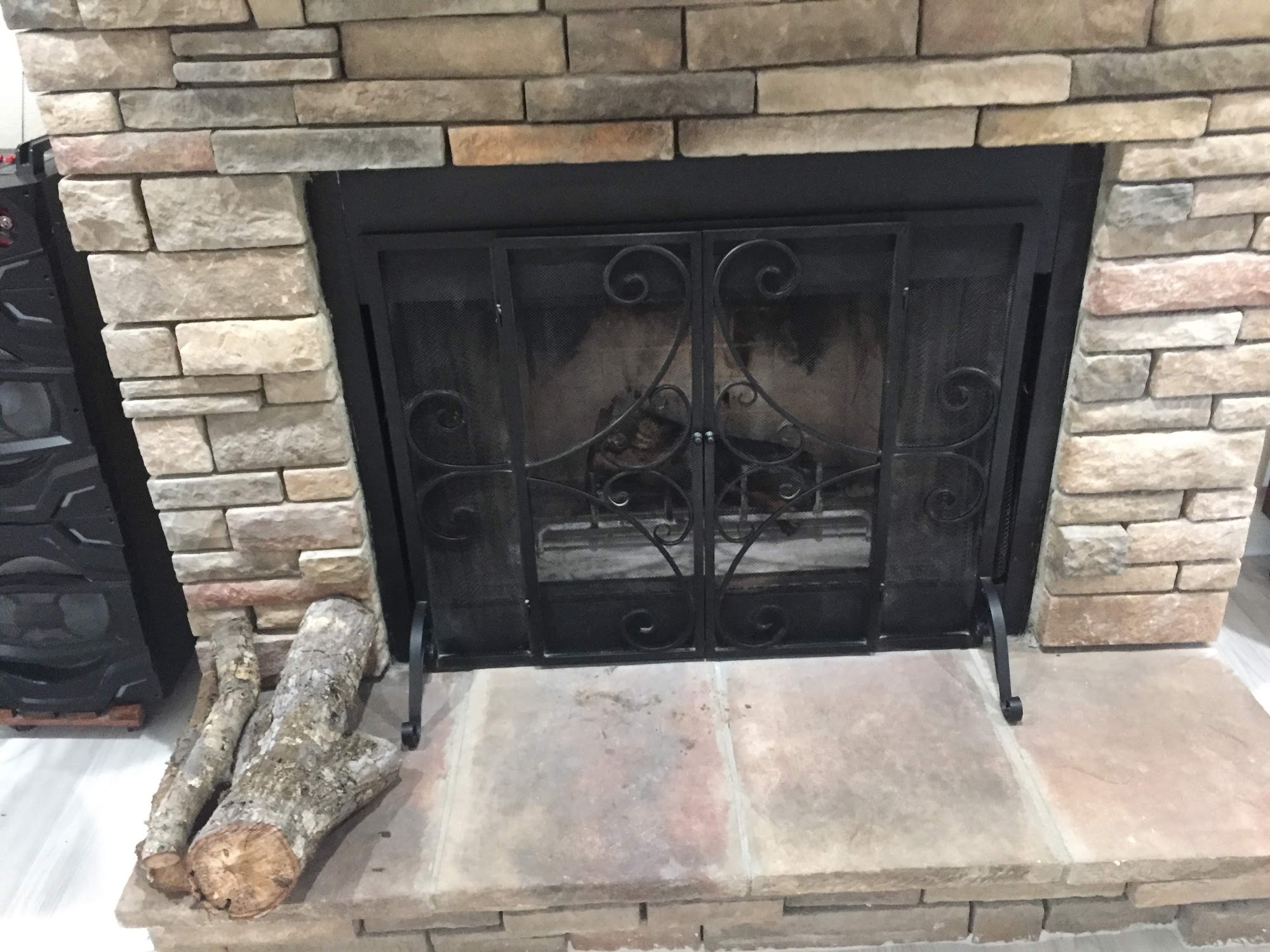
Keep your damper fully open when burning. Restricting the damper to “save heat” is a common mistake. It traps smoke in the flue longer, giving particles more time to condense on the walls.
Don’t burn treated wood, cardboard, or trash. These materials produce chemicals and excess smoke that deposit quickly and are harder to remove.
None of these habits eliminate the need for cleaning — they just help keep Stage 1 from progressing to Stage 2 before your next service.
How Often Should You Have Your Chimney Inspected?
The National Fire Protection Association (NFPA) recommends annual inspections for all chimneys, regardless of how frequently the fireplace is used. That’s once a year, minimum.
If you use your fireplace regularly throughout the cool season, you may want a cleaning at the end of each season as well. If you’ve recently moved into a home and don’t know the cleaning history of the chimney, treat it as unknown and schedule an inspection before using it.
The CAD Duct Cleaning chimney service covers Hernando County, Pasco County, Citrus County, Sumter County, Hillsborough County, and Marion County — and at $189 for a chimney cleaning, it’s a straightforward investment compared to the alternative.
The Bottom Line
Creosote is one of those things that’s easy to ignore until it becomes a serious problem. It builds up quietly, out of sight, in your flue — and by the time it’s causing issues, you’re dealing with either a difficult removal job or an actual chimney fire.
The good news is that it’s completely preventable with regular maintenance. An annual inspection and cleaning keeps creosote at Stage 1, where it’s easy to address. It keeps your flue liner intact. And it keeps carbon monoxide safely venting out of your home instead of drifting in.
If you haven’t had your chimney cleaned this year — or if you genuinely can’t remember the last time it was done — reach out to CAD Duct Cleaning for a free estimate. The team serves homeowners across Florida and has the CSIA certifications to back it up.
Your fireplace should be the most relaxing corner of your home. Keeping the chimney clean is what makes it stay that way.
CAD Duct Cleaning offers professional chimney sweep and cleaning services across Hernando, Pasco, Citrus, Sumter, Hillsborough, and Marion counties in Florida. View all services or contact the team to schedule your inspection.
Getting creosote out of your chimney safely
What determines how fast it accumulates is how well the fire burns. Unseasoned or wet wood, a fire damped down overnight, a flue that runs cold, and restricted air supply all leave more unburned material to condense on the flue wall. Burning dry, seasoned hardwood hot and clean is the single biggest thing a homeowner controls.
Removal depends on the stage. Light, flaky deposits come off with standard brushing. Hardened, tar-like buildup needs rotary tools with chains or specialist heads. The glazed stage — hard, shiny and fused to the liner — often needs chemical treatment first to break it down before anything mechanical will touch it, and in the worst cases the liner itself has to be replaced. This is emphatically not a DIY stage.
The practical answer is not to let it get there: an annual sweep keeps it in the first category, where it is quick and cheap to deal with. See how we handle it, find your area, or book a free estimate — we cover Hernando, Pasco, Citrus, Sumter, Hillsborough and Marion counties.
Questions we get asked about this
Answered by the crew who do the work.
What exactly is creosote?
The condensed residue of incomplete combustion — unburned wood particles, tar and vapour that cool on the flue wall and harden there. It is dark brown to black, and it is highly flammable at every stage.
What are the three stages of creosote buildup?
Stage one is a light, flaky soot that brushes away easily. Stage two is a hardened, tar-like layer needing rotary tools. Stage three is glazed and fused to the liner, usually requiring chemical treatment or liner replacement.
How quickly does it build up?
Faster than most people expect if the fire is burning badly. Wet wood, smouldering overnight fires and a cold flue can produce a significant layer in a single season; hot, clean fires with dry wood produce far less.
Can I remove creosote myself?
Light stage-one deposits, possibly, with a proper brush kit. Stage two and three need equipment and experience — and stage three in particular can hide a damaged liner underneath that only an inspection will find.
How do I know how much is in my chimney?
You need to look, which means an inspection. A useful proxy is how the fireplace behaves: poor draw, more smoke than usual, or a strong tarry smell on humid days all suggest significant buildup.
Want this looked at rather than read about?
Free estimates across six Central Florida counties, and a written price before any work starts.
More from the CAD blog
Benefits of Professional Chimney Sweeping: Why It Matters for Your Home
The cleaning is the visible part. The inspection that comes with it is usually the part that saves you money.
Why Florida Homeowners Still Need Chimney Cleaning
The fireplace gets lit six times a year, so people assume the chimney looks after itself. In this climate, the opposite is true.
Carbon Monoxide Awareness: How a Clean Chimney Is Your First Line of Defense
The gas has no smell, no colour and no warning. A clear flue is the single most effective thing standing between it and your living room.