CAD Blog
How do dryer vents get cleaned?
March 11, 20244 min read
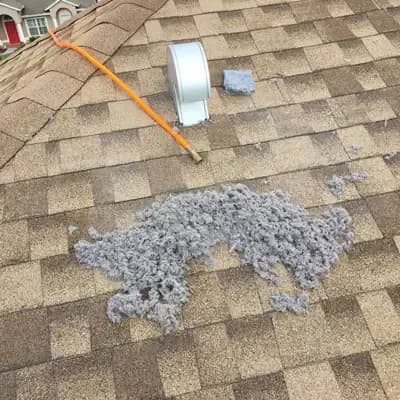
A proper job cleans the whole run from both ends and verifies the airflow at the hood. Anything less just moves the blockage further along.
If you have only ever seen someone poke a brush behind the machine, it is worth knowing how dryer vents get cleaned properly — because the part that matters is usually the part you cannot see, up in the wall cavity or out at the roof cap.
How do dryer vents get cleaned?
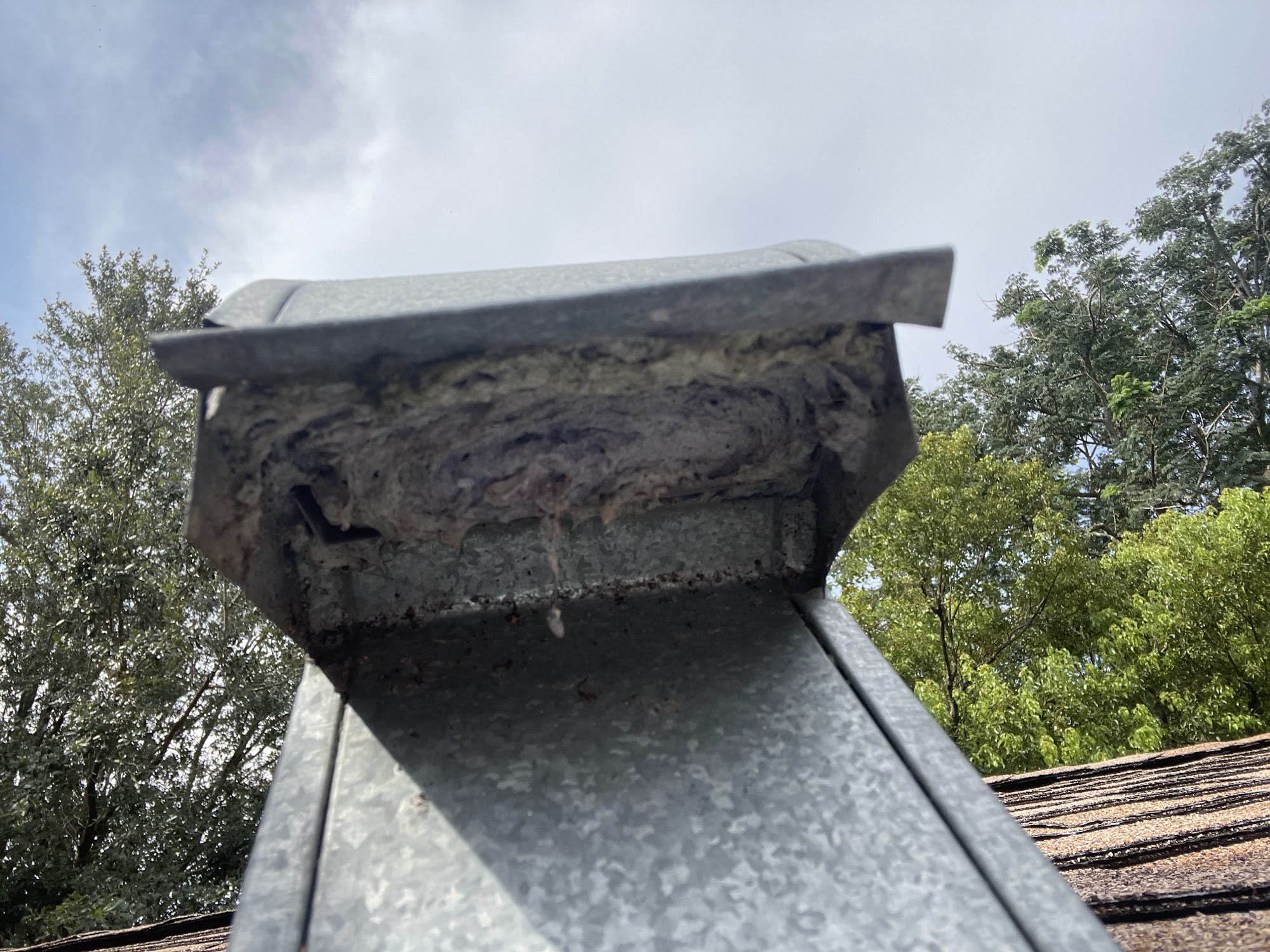
Do you know how to clean a dryer vent? When was the last time you checked your dryer vent? Without routine maintenance of your dryer vent you could put your home at risk for a fire. In fact, the U.S. Fire Administration reports that every year clothes dryers are the cause of more than 16,000 house fires. Aside from being a fire hazard, a clogged dryer vent can increase drying times and costly repairs to your dryer machine.
You should clean your dryer vent at a minimum once a year. Maintaining the cleanliness of your dryer vent is not very hard to physically do. You can call a professional dryer vent cleaning company or purchase the tools to maintain it yourself. Regardless of which method you choose we strongly recommend to annually clean dryer vents.
Signs of lint buildup
Does your laundry taking longer to dry? Do you have to run the same load of laundry twice? Sometimes three times? Is the top of your dryer hot to the touch after each use? A clogged dryer vent may be the cause. The dryer lint filter inside of the dryer catches most of the lint during a dry cycle. Pieces of lint get past the filter and stick along the dryer duct walls collecting. When there is a buildup of lint airflow is restricted. When the air flow is restricted this can cause a bunch of problems from water leaking from the dryer hose adapter to a house fire.
How to clean a dryer vent duct
You can choose to hire a professional, or DIY dryer vent cleaning. The tools and supplies you need to clean a dryer vent duct include a vacuum, a dryer vent brush kit, and a drill.
Step one: The first thing you want to do is locate where the dryer duct begins and ends. Most dryers will have a 4 inch diameter exhaust in back that connects to the ductwork through a dryer vent adapter.
Step two: Disconnect your dryer by unplugging the power cord from the outlet or turning off the gas valve. Remove the dryer vent adapter from the dryer vent. If your dryer runs on gas be careful with the line when disconnecting, a gas leak is very serious you may want to call a professional if you are not familiar with this.
Step three: Clean the lint from the dryer vent exhaust or exit. The dryer vent brush kit comes with a brush and flexible rods that you can connect together to be able to reach the entire length of the dryer exhaust duct.
Step four: Insert the vent brush into the ductwork and spin it clockwise while pushing the brush as far as you can down the dryer duct. The brush will loosen lint that has become attached along the ductwork.
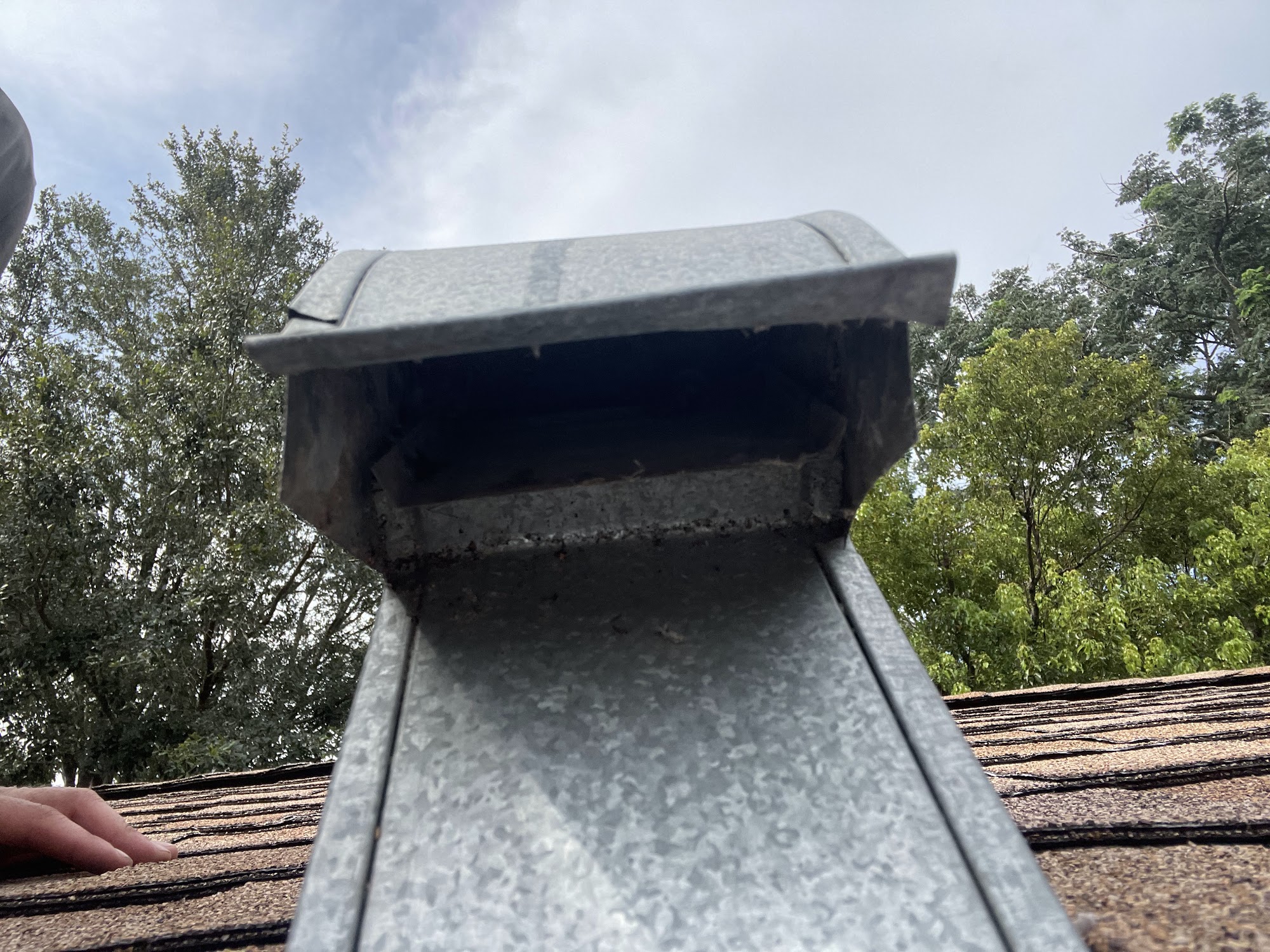
Step five: Collect all of the lint that comes out of the duct work with a vacuum. Repeat as needed until there is no more lint that needs to be removed.
Step six: Reinstall the dryer vent adapter and plug the dryer back in or turn the gas on. Once the dryer is back in place and everything is hooked back up, run a test to ensure everything is functioning properly. Check to make sure the vent adapter is securely connected and there aren’t any gas leaks. Now you can safely check the air flow at the dryer vent exhaust.
If you decide to have a licensed professional clean your dryer vent for you, Clean Air Duct Cleaning will be more than happy to help you.
How dryer vents get cleaned properly, from both ends
The sequence is straightforward but the access is the work. Pull the dryer out and disconnect the transition hose. Brush the run mechanically from the appliance end using rods, extending section by section so the brush travels the full length rather than the first bend. Then go to the exterior — wall hood or roof cap — and brush back the other way, because lint packs hardest where the duct terminates and the flap restricts it.
Then vacuum what has been dislodged, clean the lint trap housing itself, replace the transition hose if it is foil or damaged, and finally run the dryer and check the airflow at the hood. That last step is the one that separates a cleaned vent from a vent someone has been in: if the air coming out is weak, something is still in there.
Roof-terminated vents and long second-floor runs are where this stops being a homeowner job — the access is on a ladder and the blockage is at the far end. Our dryer vent cleaning covers the full run either way, and for properties with multiple machines we also do commercial dryer vent cleaning. Ask for a free estimate.
Questions we get asked about this
Answered by the crew who do the work.
How long does dryer vent cleaning take?
Usually 45 minutes to 90 minutes for a standard residential run. Long runs, roof terminations and second-floor laundries take longer because the access does, not because the cleaning does.
Does the dryer need to be moved?
Yes, far enough to disconnect the transition hose and reach the wall connection. We move it and put it back, and it is a good opportunity to clean behind it while it is out.
Can the vent be cleaned from the outside only?
Not properly. Working from one end pushes some of the lint further along rather than removing it. The run should be brushed from both directions and the debris collected.
How do I know the job was actually done?
Ask to see the lint that came out, and check the airflow at the exterior hood with the dryer running. Strong, warm, steady airflow means the run is clear.
Should the transition hose be replaced at the same time?
If it is foil or vinyl, yes. Those are the sections that crush and collect, and swapping to a rigid or semi-rigid metal transition is a small cost that solves a recurring problem.
Want this looked at rather than read about?
Free estimates across six Central Florida counties, and a written price before any work starts.
More from the CAD blog
What Is Creosote and Why Is It Dangerous?
It starts as a light dusting you could wipe away and ends as a glazed, tar-like coating that has to be removed with specialist tools. Both are flammable.
Benefits of Professional Chimney Sweeping: Why It Matters for Your Home
The cleaning is the visible part. The inspection that comes with it is usually the part that saves you money.
Why Florida Homeowners Still Need Chimney Cleaning
The fireplace gets lit six times a year, so people assume the chimney looks after itself. In this climate, the opposite is true.