CAD Blog
Why Florida Homeowners Still Need Chimney Cleaning
April 4, 20265 min read
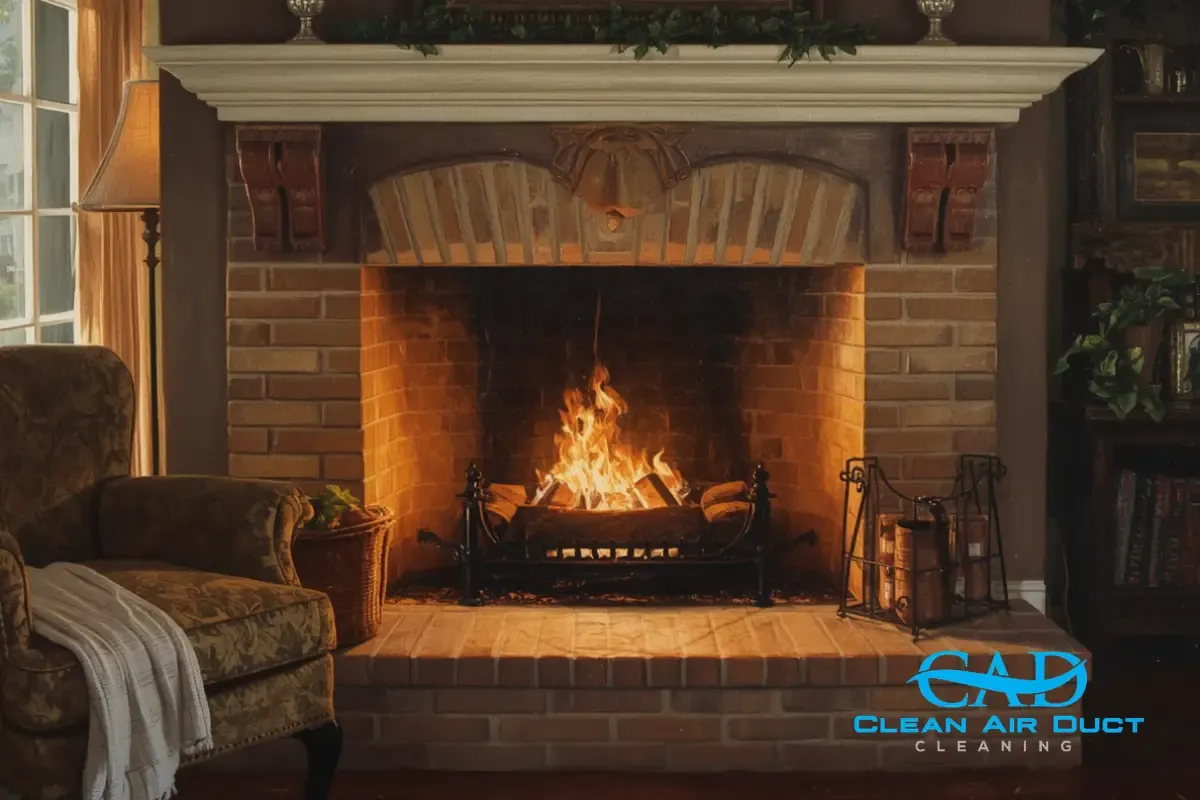
The fireplace gets lit six times a year, so people assume the chimney looks after itself. In this climate, the opposite is true.
It is an easy assumption to make and a costly one. Chimney cleaning in Florida is not really about how much you burn — it is about what a warm, humid climate does to a masonry structure that stands open to the sky and goes unused for eleven months of the year.
Most people associate chimney cleaning with cold-weather states — places that rely on fireplaces for months at a time. Florida rarely comes to mind. But if you have a fireplace, wood stove, gas fireplace, or any fuel-burning appliance in your Florida home, your chimney still needs regular cleaning and inspection. Warm weather does not eliminate the risks that come with a neglected chimney.
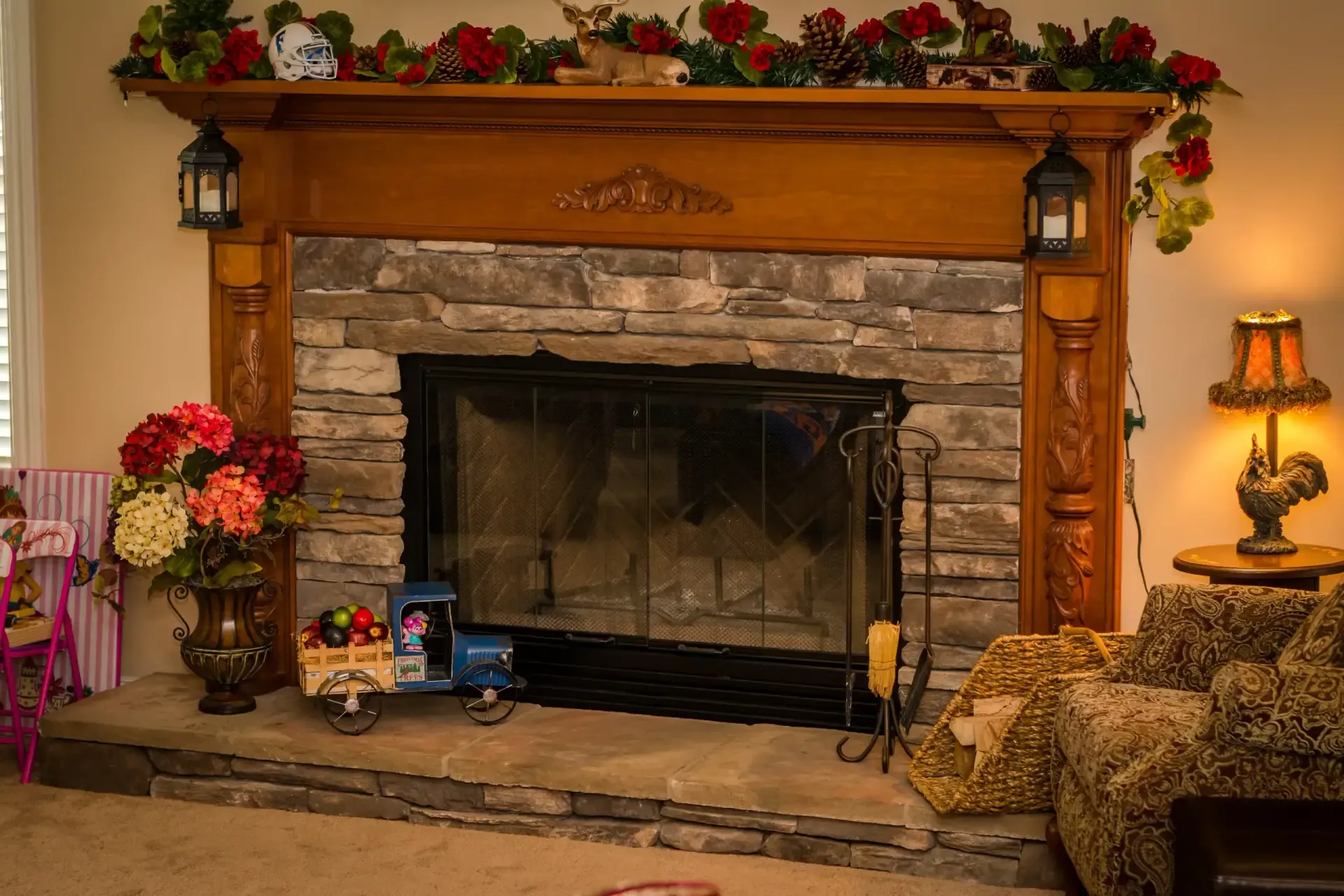
Here is why chimney maintenance matters in Florida — and what can go wrong if you skip it.
Florida Residents Do Use Their Fireplaces
Florida temperatures do drop during winter months, particularly in northern and central parts of the state. Many homeowners across Hernando County, Pasco County, Citrus County, and Marion County use their fireplaces and wood stoves during cooler evenings between November and February. Even occasional use is enough to cause creosote and soot to build up inside the chimney flue over time.
The National Fire Protection Association (NFPA) recommends annual chimney inspections regardless of how often the fireplace is used. Even a chimney that has sat unused for several months can develop issues that create safety risks when you start it up again.
Florida’s Climate Creates Unique Chimney Problems
Florida’s warm, humid climate creates chimney problems that are less common in drier states. These include:
- Moisture and mould: High humidity can allow moisture to enter the chimney system, leading to mould growth inside the flue and deterioration of the chimney liner.
- Animal intrusion: Florida’s warm climate means birds, squirrels, and other wildlife are active year-round. Chimneys without proper caps are common entry points, leading to nesting material blockages that restrict airflow.
- Rust and deterioration: Humidity accelerates rust in metal chimney components including dampers, flue liners, and chimney caps, which can compromise the system over time.
- Creosote from occasional use: Burning wood at low temperatures — common when using a fireplace occasionally rather than consistently — produces more creosote than regular high-temperature burning.
Gas Fireplaces and Furnaces Still Need Attention
Many Florida homeowners have gas fireplaces or gas furnaces rather than wood-burning systems. Gas is a cleaner-burning fuel, but gas appliances still produce combustion byproducts that need to vent properly through the chimney or flue. A blocked or damaged flue can cause carbon monoxide to enter the home — a serious safety risk that has no visible signs without a working detector.
For gas appliances, a chimney inspection and cleaning every one to two years is generally recommended. The inspection checks for blockages, liner damage, and any issues with the venting path that could affect the safe operation of the appliance.
What a Professional Chimney Inspection Covers in Florida
A CSIA certified chimney sweep provides more than a basic clean. During a professional inspection and cleaning in Florida, the technician will:
- Inspect the chimney from the roof down, checking the cap, crown, and exterior structure
- Check the flue liner for cracks, damage, or blockages caused by debris or animal nests
- Clean the firebox, smoke shelf, and flue from top to bottom
- Inspect the damper for rust or damage caused by humidity
- Report on any issues that require attention before the chimney is used again
When to Schedule a Chimney Cleaning in Florida
The best time to schedule a chimney inspection and cleaning in Florida is late summer or early autumn — before you start using your fireplace or heating appliances during the cooler months. This gives you time to address any issues found during the inspection before you need the system.

If your chimney has not been inspected in more than a year, or if you have noticed unusual odours, smoke entering the room, or any signs of animal activity, it is worth scheduling an inspection as soon as possible.
Chimney Cleaning Services Across Florida
Clean Air Duct Cleaning provides chimney inspection and cleaning services for homeowners across:
- Hernando County FL
- Pasco County FL
- Citrus County FL
- Sumter County FL
- Hillsborough County FL
- Marion County FL
All chimney cleaning services are carried out by CSIA certified technicians. Contact us to schedule a free estimate or book an inspection before the cooler season begins.
What makes chimney cleaning in Florida different
Humidity is the first factor. Moisture combines with soot and creosote deposits to form acidic residue that eats away at mortar joints and liners, so a Florida chimney can deteriorate while sitting completely idle. Add the rainfall and a damaged crown or missing cap becomes a direct route for water into the structure.
Wildlife is the second. A flue that goes unused for most of the year is an ideal nesting site, and birds, squirrels and raccoons all take advantage. Nesting material is combustible, it blocks the flue completely, and it is one of the most common things we remove from Central Florida chimneys.
Third is the long idle period itself. Nothing dries out the flue, nothing disturbs what is in it, and nobody looks. Then the one cold week in January arrives, the fire gets lit, and whatever has been developing up there is discovered the hard way. An annual inspection avoids all of it — see what our chimney sweeping covers, find your area, or ask for a free estimate.
Questions we get asked about this
Answered by the crew who do the work.
Does a chimney need cleaning if we rarely use the fireplace?
It needs inspecting annually regardless. Sweeping frequency follows use, but moisture damage, animal nesting and deteriorating crowns happen entirely independently of how often you light a fire.
What does Florida humidity do to a chimney?
It combines with soot and creosote to form acidic compounds that attack mortar joints and flue liners from the inside. That is why an unused Florida chimney can still be in worse condition than a heavily used northern one.
What animals get into Florida chimneys?
Birds most commonly, along with squirrels and occasionally raccoons. A properly fitted cap prevents nearly all of it, and fitting one is far cheaper than repeatedly removing nests.
How do I know if there is a problem up there?
Smoke coming back into the room, a strong smell from the fireplace on humid days, debris or nesting material in the firebox, staining on the chimney breast, or visible cracks in the crown from ground level.
When is the best time to have it done?
Autumn, before the first cold snap. Booking then means any repair work can be completed before you actually want to use the fireplace, rather than during the one week a year you need it.
Want this looked at rather than read about?
Free estimates across six Central Florida counties, and a written price before any work starts.
More from the CAD blog
What Is Creosote and Why Is It Dangerous?
It starts as a light dusting you could wipe away and ends as a glazed, tar-like coating that has to be removed with specialist tools. Both are flammable.
Benefits of Professional Chimney Sweeping: Why It Matters for Your Home
The cleaning is the visible part. The inspection that comes with it is usually the part that saves you money.
Carbon Monoxide Awareness: How a Clean Chimney Is Your First Line of Defense
The gas has no smell, no colour and no warning. A clear flue is the single most effective thing standing between it and your living room.