CAD Blog
Can you clean air ducts yourself?
March 11, 20244 min read
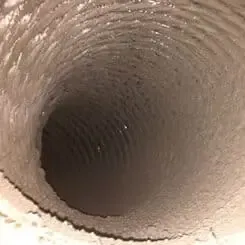
You can do the grilles and the first foot of each run. Past that, the equipment gap is the whole story — and the failure mode is expensive.
It is a reasonable thing to want to try, and part of it genuinely is a weekend job. Whether you can clean air ducts yourself depends entirely on how far down the run you are talking about — the first foot is yours, the rest of the system is not.
Is it possible to clean air ducts yourself?
Dust gradually accumulates on virtually every surface inside of a home or business. Air ducts get dusty, there is no way to prevent the accumulation of dust. However, you can have it removed from your HVAC system properly by choosing the correct company. There are ways that you can help reduce the amount of dust that get into your HVAC duct system. Regularly changing your return filters is the best way to prevent dust and debris from getting into the ductwork. Another way is to vacuum the vents and planter shelfs that are in the vicinity of your return air vents.
Cleaning air duct systems is not a do-it-yourself job. Even if you were inclined to clean the ductwork yourself, chances are you wouldn’t own the proper tools, such as special rotary brushes and a high-powered vacuum. Hiring a licensed and insured duct cleaning company is recommended. Research the companies that provide duct cleaning services to see the method that the company uses. You can type into google “duct cleaning company near me” and google will give you results that show air duct cleaning companies near your location.
The EPA states that no evidence exists to suggest that any health hazards stem from light dust accumulation in ducts. The EPA does recommend cleaning air ducts if there is mold growth visible or if evidence points to an infestation by insects or rodents. Source removal air duct cleaning is very effective at removing dust and debris from the HVAC system. Air duct cleaning may help to alleviate lingering odors caused by cigarettes or other sources.
Time to call in a professional AC duct cleaning company
If you discover that an excessive amount of dust is present, call a professional duct cleaning company. Limit dust accumulation in your ductwork by using the following methods:
- Remove old dirty filters and install new filter into the return vents in the home or business.
- You should have your HVAC system maintained yearly in Florida due to the extreme temperature changes we encounter. While the company is looking over the unit ask them if they can show you the inside of the plenum to see if the ducts require cleaning.
- Vacuum supply and return vent covers. You can also ensure the vents are sealed and not pushing any dust from the attic space through any small gaps.
Where trying to clean air ducts yourself stops working
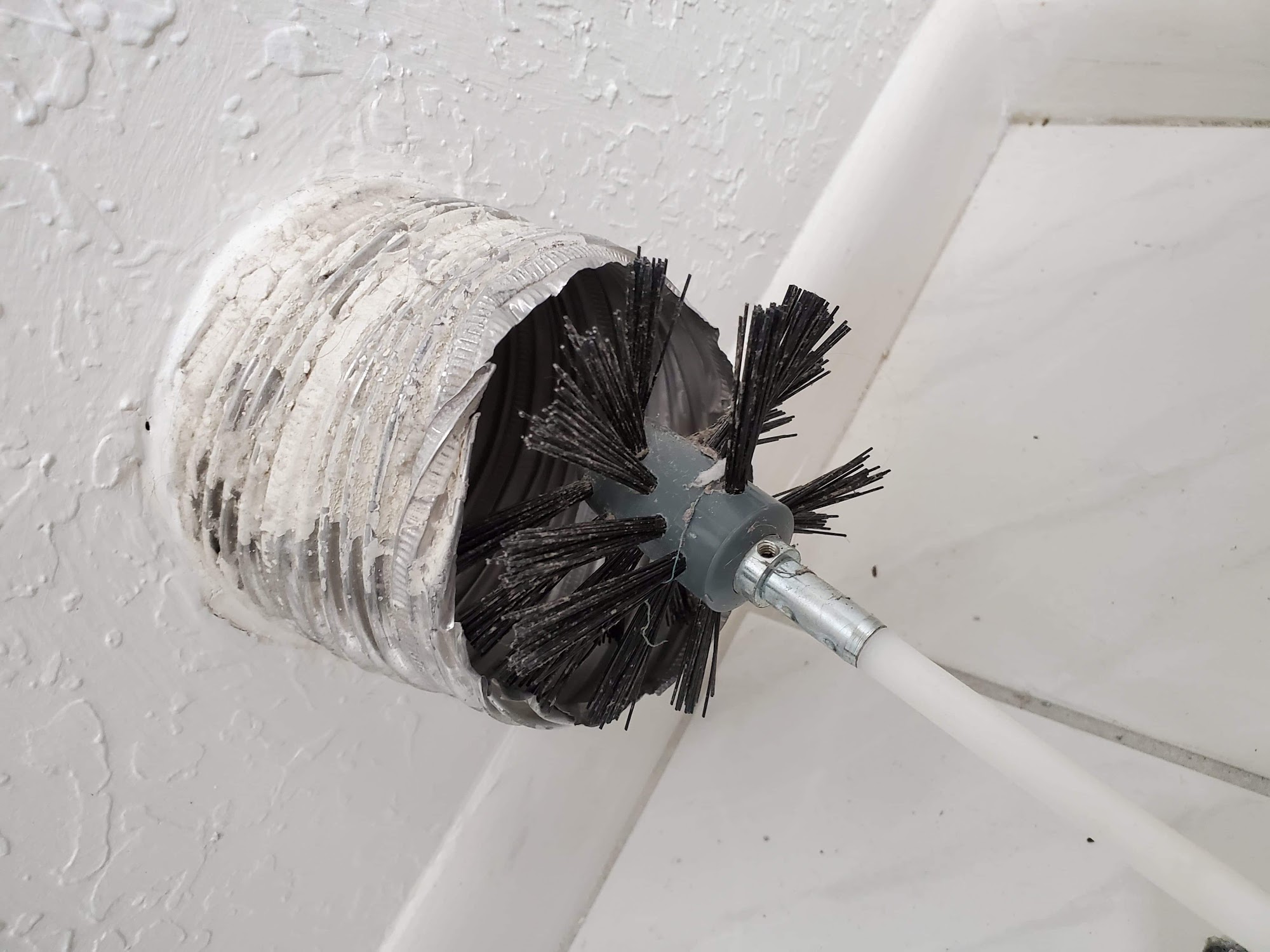
What you can do: take the supply grilles off and wash them, vacuum the visible portion of each boot, replace the filter, and keep the return grille clear. Do that twice a year and you will genuinely slow things down.
What you cannot do: reach the trunk line, the branch runs or the plenum. A domestic vacuum has neither the reach nor the airflow, and without negative pressure on the system anything you dislodge simply relocates — often into the room you are standing in. The common DIY failures we get called out to fix are a torn flex run, a crushed take-off, and a house full of the dust that was previously sitting quietly in the ductwork.
The gap is equipment rather than skill, and it is a wide one. A negative-air machine moves in the region of two thousand cubic feet a minute and holds the entire system under suction while the work happens; a good domestic vacuum manages a small fraction of that at one opening. Without that pressure difference, brushing a duct does not clean it — it just redistributes what was stuck to the wall into the airstream, and the first thing the system does when you switch it back on is deliver that to your rooms.
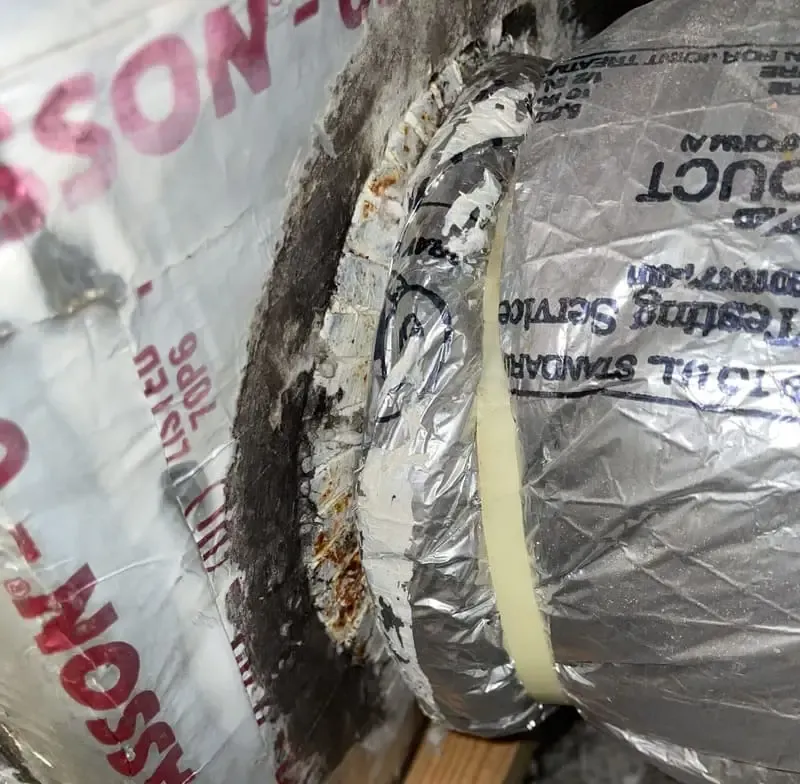
There is also the part nobody thinks about until it goes wrong: flexible duct is a thin inner liner held on a wire helix, wrapped in insulation and a vapour barrier. It tears if you push a rigid brush into it at the wrong angle, and a torn liner inside an attic run leaks conditioned air into the roof space until someone finds it. That repair, plus the energy lost in the meantime, comfortably exceeds what the cleaning would have cost.
The sensible dividing line is reach. If you can see it and touch it, it is yours. If it disappears into a wall, a ceiling or the attic, it needs equipment that keeps the debris moving in one direction — away from you. The same logic applies to the dryer vent: the first few feet behind the machine are a homeowner job, and the run through the wall or roof is not.
If the runs look clean when you check them, leave them alone and save your money. If they do not, it is a job for equipment rather than effort — see how professional air duct cleaning is actually carried out, or get a free estimate and we will show you what is in there before you decide.
Questions we get asked about this
Answered by the crew who do the work.
Can you clean air ducts yourself with a shop vacuum?
Only the first foot or so of each run. A shop vacuum moves a fraction of the air a negative-air machine does and has no way to agitate what is stuck to the duct wall further in.
Is there any harm in trying?
There can be. Flexible duct tears easily, take-offs crush, and dislodging debris without the system under negative pressure pushes it into the living space. Those repairs cost more than the clean would have.
What about the DIY duct cleaning kits sold online?
The brush kits that attach to a drill will clean a short, straight, rigid run. They are not effective in flexible duct, they cannot navigate bends, and they still leave you with nowhere for the debris to go.
What DIY maintenance is genuinely worth doing?
Change filters on time, wash the grilles, keep the return unobstructed, keep humidity between 40 and 50 percent, and look down a run with a torch once a year. That covers most of what a homeowner can usefully control.
How do I know when I have reached the limit of DIY?
When you can see build-up beyond the reach of your vacuum hose, when there is a smell you cannot trace, or when you find any sign of moisture or mould. At that point the job needs equipment.
Want this looked at rather than read about?
Free estimates across six Central Florida counties, and a written price before any work starts.
More from the CAD blog
What Is Creosote and Why Is It Dangerous?
It starts as a light dusting you could wipe away and ends as a glazed, tar-like coating that has to be removed with specialist tools. Both are flammable.
Benefits of Professional Chimney Sweeping: Why It Matters for Your Home
The cleaning is the visible part. The inspection that comes with it is usually the part that saves you money.
Why Florida Homeowners Still Need Chimney Cleaning
The fireplace gets lit six times a year, so people assume the chimney looks after itself. In this climate, the opposite is true.