CAD Blog
Carbon Monoxide Awareness: How a Clean Chimney Is Your First Line of Defense
March 28, 20265 min read
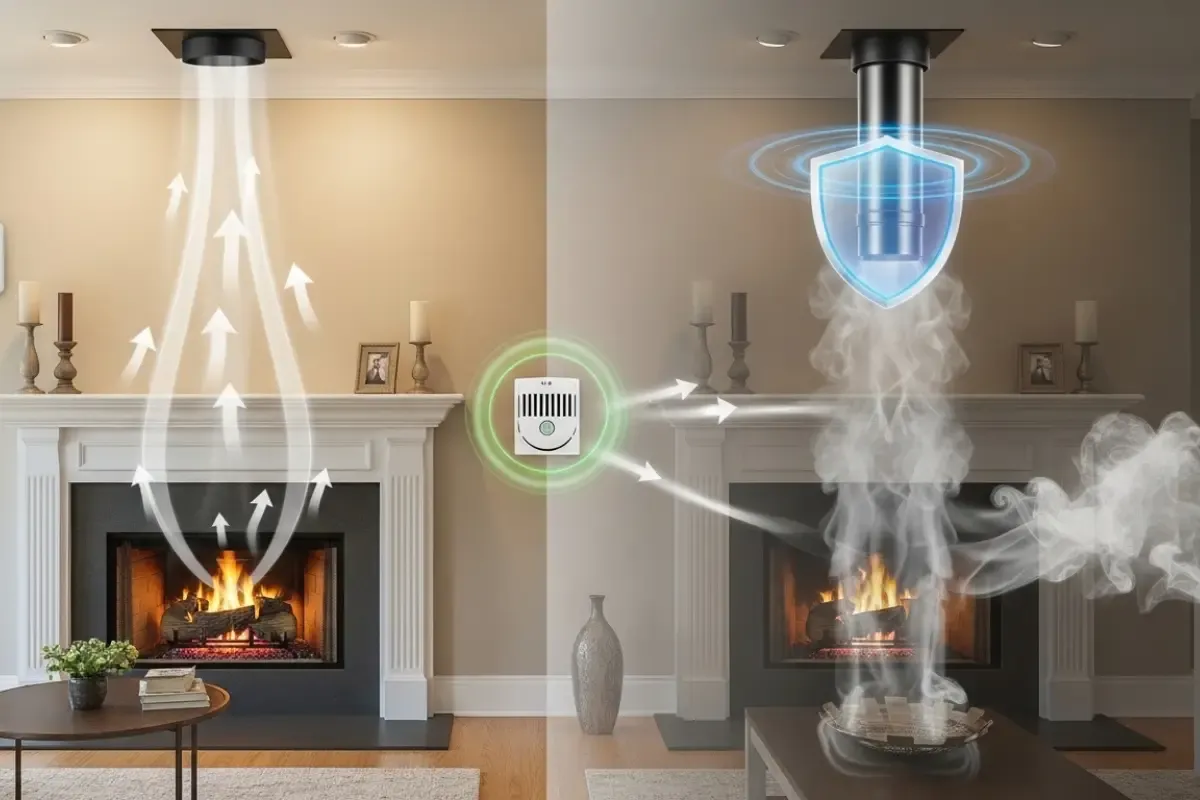
The gas has no smell, no colour and no warning. A clear flue is the single most effective thing standing between it and your living room.
It is the hazard people take least seriously because there is nothing to notice until it is already a problem. Carbon monoxide and your chimney are directly linked — a flue that cannot draw properly has to send the products of combustion somewhere, and the only other route is into the house.
What Is Carbon Monoxide—and Why Is It So Dangerous?
Carbon monoxide is a toxic gas produced when fuels like wood, gas, oil, or charcoal don’t burn completely. The scary part? You can’t see it, smell it, or taste it.
According to the Centers for Disease Control and Prevention (CDC), hundreds of people die each year in the U.S. from accidental CO poisoning, and thousands more end up in emergency rooms.
Common sources include:
- Fireplaces and wood-burning stoves
- Gas furnaces
- Water heaters
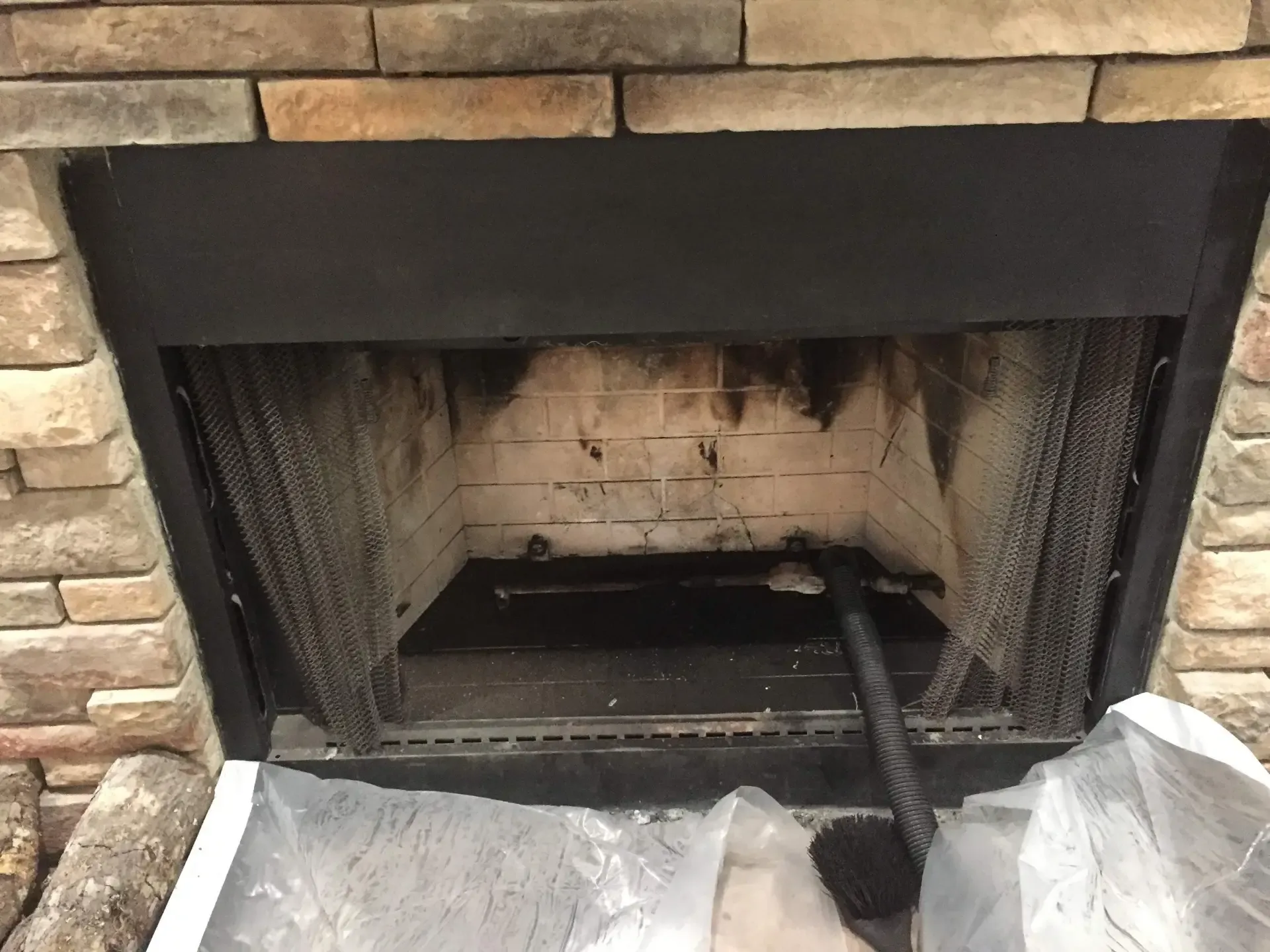
- Blocked chimneys
When your chimney isn’t properly cleaned, it can trap gases instead of venting them outside—allowing carbon monoxide to seep back into your home.
How a Dirty Chimney Leads to Carbon Monoxide Buildup
Here’s where things get real. A chimney’s job is simple: safely carry smoke and gases out of your home. But when it’s clogged or dirty, that system breaks down.
Over time, chimneys collect:
- Creosote buildup (a flammable residue from burning wood)
- Debris like leaves and twigs
- Animal nests
- Soot and blockages
When airflow is restricted, carbon monoxide has nowhere to go—so it backs up into your living space. And just like that, your cozy fireplace becomes a hidden hazard.
Warning Signs Your Chimney Needs Immediate Attention
Now, you might be wondering—how do I know if my chimney is part of the problem?
Keep an eye out for these red flags:
- Smoke entering your home instead of going up the chimney
- A strong, burnt or musty odor
- Excess soot around the fireplace
- Poor airflow or difficulty starting fires
- Visible debris or blockage
If you notice any of these, don’t brush it off—it’s your home waving a red flag.
Why Chimney Cleaning Matters in Florida Homes
You might think chimney issues are only a concern in colder states—but that’s not entirely true.
In Florida, chimneys can still become blocked due to:
- High humidity causing faster residue buildup
- Storm debris entering chimney openings
- Birds and small animals nesting inside
- Irregular usage leading to unnoticed issues
That’s why homeowners across Hernando County, Citrus County, Sumter County, Hillsborough County, Marion County, and Pasco County should prioritize routine inspections.
Professional Chimney Cleaning: Why It’s Worth It
Sure, DIY solutions might sound tempting—but when it comes to something as serious as carbon monoxide, cutting corners isn’t worth the risk.
Professional services ensure:
- Thorough removal of creosote and debris
- Inspection for cracks or structural issues
- Proper airflow and ventilation checks
- Compliance with safety standards
At Clean Air Duct Cleaning, a trusted family-owned business in Florida, trained professionals handle HVAC systems, air ducts, and dryer vents with precision and care. Being licensed and insured means you’re not just getting a service—you’re getting peace of mind.
Learn more about chimney and ventilation safety from the National Fire Protection Association (NFPA).
The Connection Between Air Ducts and Chimney Safety
Here’s something many people overlook—your chimney and air ducts work together to maintain indoor air quality.
If your air ducts are dirty or clogged, it can:
- Reduce overall airflow
- Increase indoor pollution
- Circulate harmful particles
- Exacerbate CO risks
That’s why services like Air Duct Cleaning and Dryer Vent Cleaning go hand-in-hand with chimney maintenance. A clean system means cleaner air—and safer living conditions.
Practical Tips to Prevent Carbon Monoxide Exposure
Alright, let’s get practical. Here are some simple steps you can take today:
1. Schedule Annual Chimney Inspections
Even if you don’t use your fireplace often, yearly inspections are a must.
2. Install Carbon Monoxide Detectors
Place them near sleeping areas and check batteries regularly.
3. Keep Your Chimney Cap Installed
It prevents debris and animals from entering.
4. Don’t Ignore Warning Signs
If something feels off, trust your instincts and call a professional.
5. Maintain Your HVAC System
Regular servicing ensures everything works efficiently and safely.
Why Choose Clean Air Duct Cleaning in Florida?
When it comes to protecting your home, experience matters.
Clean Air Duct Cleaning stands out because:
- Family-owned and operated
- Licensed and insured HVAC professionals
- Serving multiple Florida counties
- Committed to exceptional service quality
Whether you’re in Hernando, Citrus, Sumter, Hillsborough, Marion, or Pasco County, their team is ready to help keep your home safe and your air clean.
FAQs
How often should I clean my chimney?
Can a blocked chimney really cause carbon monoxide poisoning?
Are carbon monoxide detectors enough?
Do Florida homes really need chimney cleaning?
What’s the difference between chimney cleaning and air duct cleaning?
Reducing the risk from carbon monoxide and your chimney
Three things cause a flue to stop drawing. A physical blockage — nesting material, a collapsed liner section, or creosote built up enough to narrow the passage. A damper left partly closed or seized. Or negative pressure in the house, where extractor fans and a tightly sealed building envelope pull harder than the chimney can push, and the flue reverses.
The defences are simple and layered. Working carbon monoxide alarms on every level and near sleeping areas, tested monthly and replaced at the manufacturer interval. An annual sweep and inspection so the flue is clear and the liner intact. Never burning anything the appliance was not designed for. And a window cracked when the fire is first lit, which helps the flue establish its draw.
This applies to gas appliances and blocked dryer vents as much as to fireplaces — any combustion appliance venting into a restricted duct is the same problem. Have the flue checked before the first fire of the season: see what a sweep and inspection covers, or book a free estimate.
Questions we get asked about this
Answered by the crew who do the work.
How does a chimney cause carbon monoxide in the house?
By failing to vent. If the flue is blocked, the liner has failed, or the house is under negative pressure, combustion gases including carbon monoxide come back down into the room instead of going up.
What are the symptoms of carbon monoxide exposure?
Headache, dizziness, nausea, confusion and fatigue — easily mistaken for flu. The distinguishing sign is that several people or pets in the house feel it at once and improve on going outside.
Where should carbon monoxide alarms go?
One on every level and one near each sleeping area, at the height the manufacturer specifies. Test monthly and replace the unit at its stated end of life — the sensors expire even when the alarm still powers up.
Is this only a risk with wood fireplaces?
No. Any combustion appliance produces carbon monoxide — gas fireplaces, gas water heaters, furnaces and gas dryers. A blocked vent on any of them creates the same hazard.
What if my alarm sounds?
Get everyone outside into fresh air immediately, then call emergency services from outside. Do not go back in to investigate or open windows first — leave, then call.
Want this looked at rather than read about?
Free estimates across six Central Florida counties, and a written price before any work starts.
More from the CAD blog
What Is Creosote and Why Is It Dangerous?
It starts as a light dusting you could wipe away and ends as a glazed, tar-like coating that has to be removed with specialist tools. Both are flammable.
Benefits of Professional Chimney Sweeping: Why It Matters for Your Home
The cleaning is the visible part. The inspection that comes with it is usually the part that saves you money.
Why Florida Homeowners Still Need Chimney Cleaning
The fireplace gets lit six times a year, so people assume the chimney looks after itself. In this climate, the opposite is true.