CAD Blog
Does duct cleaning actually work?
March 11, 20244 min read
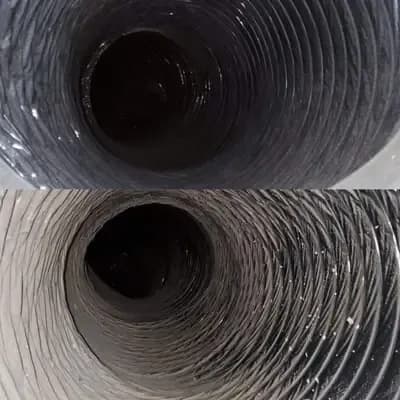
It works when it is done properly and when the system needs it. Both halves of that sentence matter, and plenty of companies ignore the second one.
It is a fair question and it deserves a straight answer rather than a brochure. Does duct cleaning actually work? Yes — when the ducts are genuinely dirty and the company uses source removal rather than a shop vacuum at the vent. If either of those is missing, you are paying for very little.
Does duct cleaning actually work?
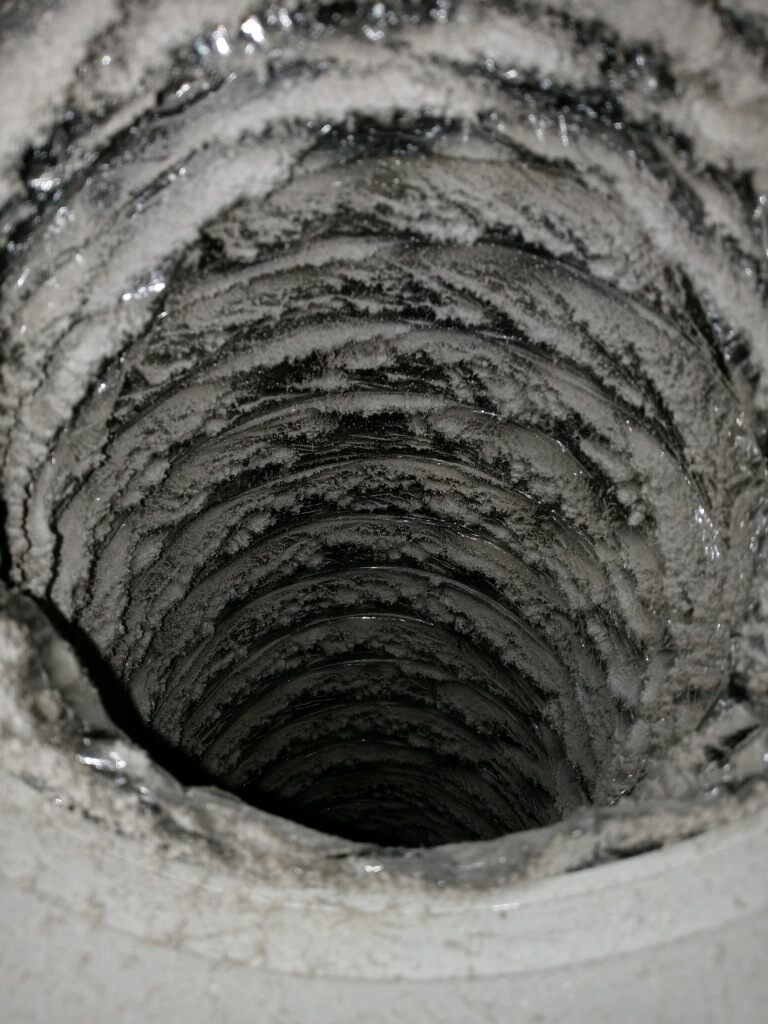
Given normal accumulation of dust in all homes with air ducts, there are several other factors that can cause the need for regular air duct system cleaning such as, pets, cigar or cigarette smoke, renovation projects, water damage to the home, and even occupants with allergies.
There are instances when some occupants are more sensitive to the duct system contaminants than others. Indoor air quality is an important factor to take into consideration when having allergies. The process of air duct cleaning can help improve indoor air quality by removing contaminants from the duct system.
Benefits of HVAC duct cleaning
If something looks dirty majority of the time it is dirty, that’s why it is important to call a licensed HVAC professional if your air ducts look dirty. The following information has some reasons homeowners/business owners choose to have their air ducts cleaned.
Indoor air quality
Simple every day activities bring contaminants and particulate into a home or business. These contaminants are pulled into the HVAC system through the return air vents and then distributed throughout the duct system and into the home or business. Over time, this re-circulation causes buildup of dust and debris in the duct work.
A concern that leads individuals to educate themselves on air duct cleaning is Indoor air quality. The HVAC system takes the air inside the home or business to cool or heat it and re distribute the air to the home to ensure the climate is the temperature desired by the thermostat operator.
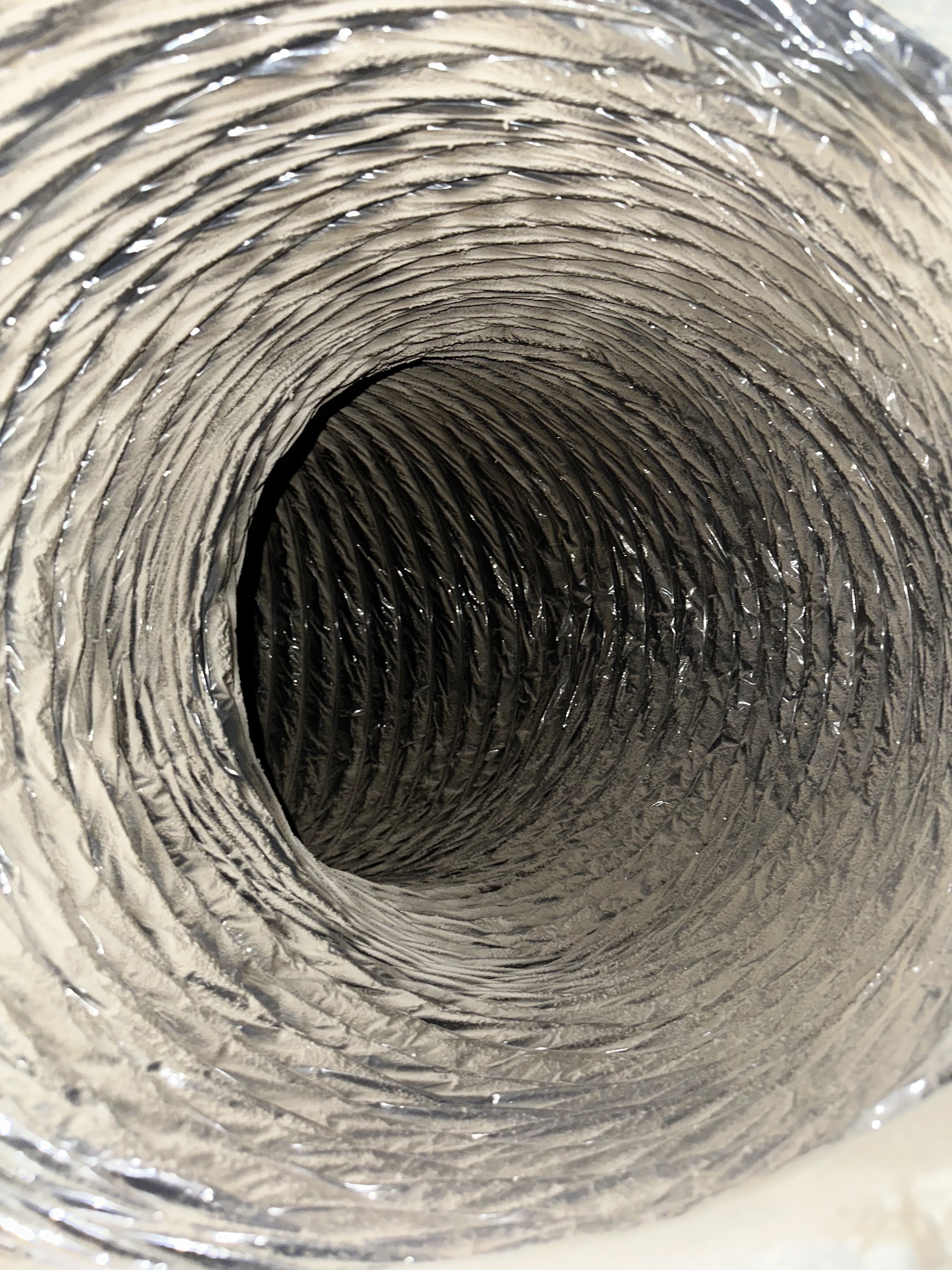
Dirty ducts do not necessarily mean you have polluted air in your home, business or workplace. The dust that accumulated on the inner walls of the duct system can be pulled through the evaporator coil and choke the system but not allowing the proper amount of air to be pulled through the system. This normally leads to much bigger problems which also affect indoor air quality.
Does duct cleaning really save on energy?
According to the U.S. Department of Energy, 25 to 40 percent of the energy used for heating or cooling a home is wasted. When the heating and cooling system cannot breathe properly it is forced to work harder which can shorten the life of the system. By cleaning the HVAC system, you can ensure the system doesn’t have to work as hard to maintain the desired temperature inside of the home or business. When the HVAC unit is operating efficiently, the energy consumption is reduced. Regularly changing the return air filters can help the unit breath better as well. Regardless of the frequency the filters are changed, the system will still collect deposits of dust and debris inside the ductwork and require cleaning over time.
So does duct cleaning actually work — and when is it worth doing?
What it reliably changes: visible debris leaving the system, dust settling more slowly, musty smells at start-up going away, and airflow improving where a run had genuinely restricted. What it will not do is fix a leaking duct, undersized return or a failing coil — those are separate problems, and any company that promises a duct clean will solve them is overselling.
The honest test is whether your system needs it. Pull a supply vent cover and look at the first few feet of the run with a torch. Clean sheet metal or flex means leave it alone. A layer of grey felt, construction dust from a remodel, or anything that looks like it grew there means it is time. That is the standard we hold ourselves to on every air duct cleaning job — if you do not need us, we say so.
When the work is warranted, method decides the result. Negative pressure on the whole system, mechanical brushing of every run, and the debris captured in the machine rather than blown into the room. See the full list of what we do, or ask for a free estimate and we will show you the inside of your ducts before you commit to anything.
Questions we get asked about this
Answered by the crew who do the work.
Does duct cleaning actually reduce dust in the house?
It reduces the dust the system is recirculating, which for most homes is a noticeable share of it. It does not stop dust coming in through doors, windows and daily life, so expect an improvement rather than a dust-free house.
Will it lower my power bill?
Sometimes, modestly. Restricted airflow makes the system run longer to reach the same temperature, so clearing it can help. Anyone quoting you a specific percentage saving is guessing.
Does it help with allergies?
Many customers say it does, particularly where there was mould growth or heavy dander in the runs. It is not a medical treatment, and if symptoms persist the cause is likely elsewhere in the house.
How can I tell a proper job from a cheap one?
A proper job seals the system, uses a negative-air machine, brushes each run mechanically, and takes hours rather than minutes. Ask to see before and after photographs of your own ducts — we take them as standard.
How often does it actually need doing?
Every three to five years for most Central Florida homes. More often after a renovation, a water intrusion event, or if you have pets and heavy allergy sufferers in the house.
Want this looked at rather than read about?
Free estimates across six Central Florida counties, and a written price before any work starts.
More from the CAD blog
What Is Creosote and Why Is It Dangerous?
It starts as a light dusting you could wipe away and ends as a glazed, tar-like coating that has to be removed with specialist tools. Both are flammable.
Benefits of Professional Chimney Sweeping: Why It Matters for Your Home
The cleaning is the visible part. The inspection that comes with it is usually the part that saves you money.
Why Florida Homeowners Still Need Chimney Cleaning
The fireplace gets lit six times a year, so people assume the chimney looks after itself. In this climate, the opposite is true.